Service
Basket
Menu
5% off snacks with code SNACKS5 Read more

Hedgehog

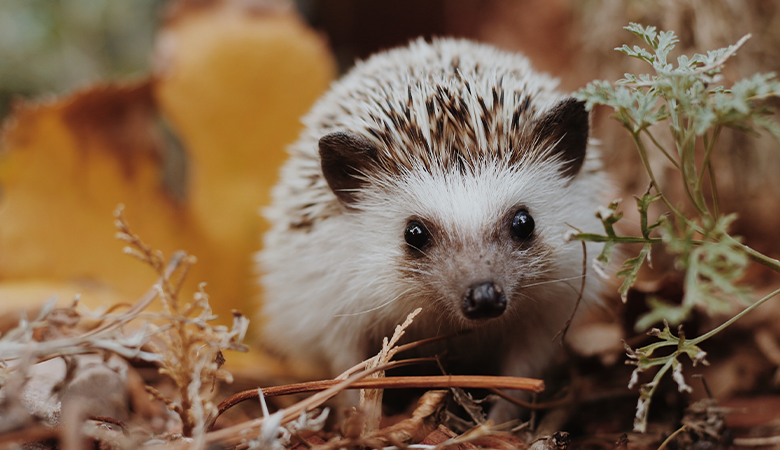
The hedgehog is a well-known and much-loved garden animal that is mainly active at night. In Europe, the European hedgehog (Erinaceus europaeus) is the most common species. There is also an African hedgehog species (the African pygmy hedgehog), but this one is mainly kept as a pet and does not occur in the wild in our gardens. Hedgehogs are solitary animals (they live alone) and true insectivores. They play an important role in the garden by helping to control slugs and other small pests. When threatened, a hedgehog can roll itself into a spiky ball, with its soft belly completely protected by its spines. This is their main defense mechanism against predators. Nowadays, hedgehogs are finding it increasingly difficult to survive due to factors such as traffic, the use of pesticides and the loss of natural shelters. As a result, hedgehogs are seen less often in gardens. In winter, hedgehogs hibernate.

egel

Characteristics

Body build: Compact body with spines on the back, short legs.
Colours and coat types: Brown, grey-brown or white with light-colored spine tips.
Weight: 600 - 1200 g
Life Expectancy: 3 - 7 years
Health risks: Parasites (fleas, ticks), underweight, traffic, poisoning, robotic lawn mowers.

Behaviour profile

Activity (night)
Visibility in the garden
Useful for the garden
Sensitivity to disturbance
Human interaction
)

Popular products for the hedgehog

Habitat

Hedgehogs prefer quiet, sheltered gardens with plenty of hiding places such as shrubs, piles of wood or hedgehog houses. They need access routes between gardens to search for food. A messy corner in the garden is ideal. You can do a lot yourself to make your garden hedgehog-friendly. For example, create openings in fences so hedgehogs can move between gardens, provide shelter with leaves or branches and avoid using pesticides. It is also important to create a safe place where hedgehogs can eat or hide without easy access for cats or other larger animals, for example by offering food in a sheltered spot or in a special hedgehog house. Also be mindful in traffic and be careful with robotic lawn mowers and garden tools, especially at dusk and at night when hedgehogs are active.

Nutrition

Hedgehogs mainly eat insects, slugs, worms and other small invertebrates, making them very beneficial in the garden. If you want to support hedgehogs, you can provide supplementary feeding with special hedgehog food, hedgehog pâté or wet cat food (preferably without fish). It is important not to give milk, as this can cause digestive problems. Especially in autumn, in preparation for hibernation, and in early spring, extra food can be helpful. It is also recommended to always provide a bowl of fresh water, especially during dry periods. Offer the food in a quiet, sheltered place so that other animals have less easy access.

Role in the garden

Hedgehogs contribute to a natural balance in the garden by helping to reduce pests such as slugs and insects. This often allows the use of pesticides to be limited. By creating a natural garden, you help not only the hedgehog but also other beneficial animals such as birds and insects. Think of varied planting, leaving leaves in place and creating hiding spots. This way, you turn your garden into a pleasant habitat for multiple animal species.

Protection and points of attention

Hedgehogs are increasingly struggling to survive due to traffic, the use of pesticides and the disappearance of natural shelters. Modern, neatly maintained gardens often offer too little food and protection. In addition, robotic lawn mowers pose a growing risk: when used at night, they can injure active hedgehogs. You can protect hedgehogs by avoiding poisons, making ponds safe with an escape route and using robotic lawn mowers carefully (preferably only during the day). Also always check compost heaps or piles of leaves before moving them. If you see a hedgehog during the day or a weakened hedgehog, contact a hedgehog rescue centre or a veterinarian.

Read also our other blogs

More tips