Service
Basket
Menu
Get 5% off medicines and supplements with code MEDSUP5 Read more

Belgian Draught Horse

The Belgian Draught Horse is one of the strongest and most impressive horse breeds in the world and originates from Belgium, mainly from the Brabant region. This powerful cold-blooded breed is known for its enormous muscle power, calm character and reliable willingness to work. Originally, the Belgian Draught Horse was used for heavy agricultural work, transport and forestry work. Today, the breed is still valued for its strength, but also for leisure riding, driving and shows. Despite its imposing appearance, the Belgian Draught Horse is known as friendly, patient and people-oriented. Thanks to its calm temperament and reliable nature, the breed is popular with both experienced horse lovers and families looking for a dependable and versatile horse.

Characteristics

Country of origin: Belgium
Also known as: Brabant, Belgian Heavy Horse
Horse type: Cold-blooded horse
Body build: Very powerful, broadly built with a muscular neck, deep chest and strong legs.
Colours and coat types: Mainly chestnut, strawberry roan or bay roan; coat short and dense, mane and tail often full.
Weight: 800 to 1,200 kg
Height: 15.3 to 17.1 hh
Life Expectancy: 20 to 25 years
Health risks: May be prone to obesity, hoof problems and conditions affecting the legs or joints if exercise is insufficient or the diet is unsuitable.
Suitable for: Driving, leisure riding, forestry work, shows, breeding and traditional draught work.

Character profile

Eager to learn
Willingness to work
Social
Energy
Movement/gaits
Temperament
Stress resistance
Strength and muscle development
Concentration
Child-friendly

Popular products for the Belgian Draught Horse

Origin of the Belgian Draught Horse

The Belgian Draught Horse originates from Belgium, where the breed developed mainly in the province of Brabant. The ancestors of the breed were already known in the Middle Ages as strong working and war horses. Through targeted breeding, a powerful cold-blooded breed eventually emerged that was exceptionally well suited to heavy work.

In the nineteenth century, the popularity of the Belgian Draught Horse grew rapidly. Farmers and traders used these horses to pull ploughs, carts and heavy agricultural machinery. Thanks to their enormous strength, stamina and calm character, they were valued not only in Belgium, but also internationally. The breed was exported to several countries in Europe and North America, where it played an important role in the development of other draught horse breeds.

Today, the breed is still bred for its impressive appearance, reliable character and historical significance. The Belgian Draught Horse is regarded as an important part of Belgian cultural heritage.

Character of the Belgian Draught Horse

The Belgian Draught Horse is known for its exceptionally calm, friendly and reliable character. Despite its enormous size, this breed is generally gentle and easy to handle. Belgian Draught Horses are social by nature and enjoy working with people. They are patient, obedient and usually respond calmly to new situations. Thanks to these qualities, they are relatively easy to handle, provided they are treated in a consistent and respectful manner.

The breed naturally has a strong willingness to work. For centuries, these horses were selected for reliability and strength during heavy work. As a result, they are willing to work hard without becoming nervous or tense.

Because of their stable temperament, Belgian Draught Horses are often suitable for leisure riders, drivers and families. Their calm nature also makes them popular for demonstrations, events and therapeutic activities where reliability is an important quality.

Everything about the Belgian Draught Horse

How much does a Belgian Draught Horse cost?

The price of a Belgian Draught Horse depends on age, pedigree, health, training and intended use. Young or untrained horses are often available from around £2,200 to £4,300. Adult, well-trained horses for leisure or driving usually cost between £4,300 and £10,400. Horses with special bloodlines, proven performance or high breeding value can be considerably more expensive. When buying, it is important not only to look at the price, but also at health, character and suitability for the rider. In addition to the purchase price, it is important to take into account the costs of feed, housing, hoof care, veterinary visits and equipment.

For which discipline is the Belgian Draught Horse suitable?

The Belgian Draught Horse is mainly used for driving, leisure riding and traditional draught work. Thanks to its enormous strength, the breed is very suitable for forestry work and for pulling heavy loads. Belgian Draught Horses are also regularly used in shows, demonstrations and historical events.

Although it is not a sport horse like a warmblood breed, the Belgian Draught Horse can function excellently as a leisure horse for riders who value calmness, reliability and a pleasant character. The breed also remains of great importance within breeding.

What are the physical characteristics of a Belgian Draught Horse?

The Belgian Draught Horse has an imposing and powerful appearance. The breed has a broad chest, strong shoulders, a muscular neck and well-developed hindquarters. The head is relatively short and broad with friendly, expressive eyes.

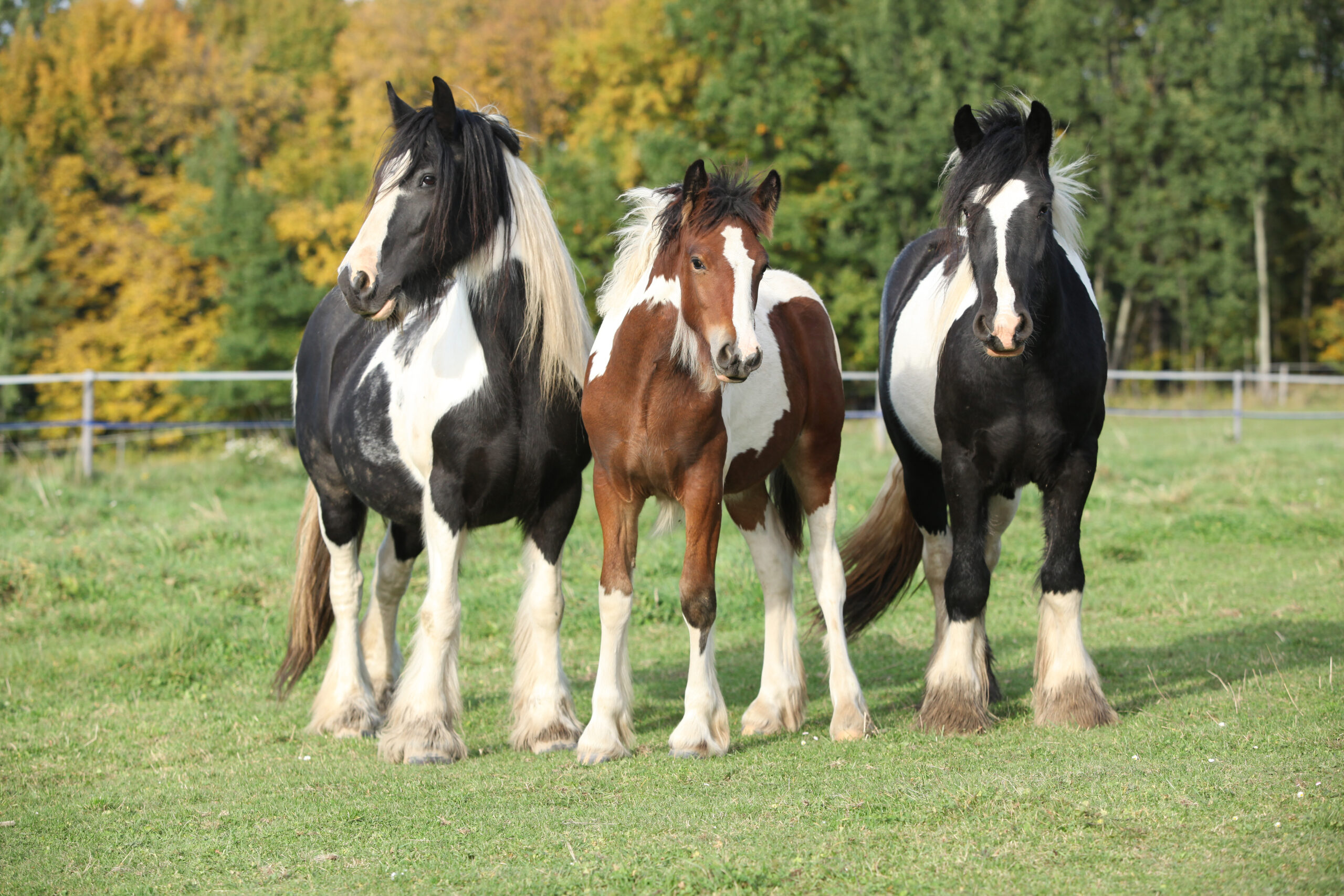
The legs are strongly built and have sturdy joints that can carry the large body weight. Around the lower legs, just above the hooves, the Belgian Draught Horse often has longer hair, known as feathering. This is a typical characteristic of many draught horse breeds. The most common colours are chestnut, strawberry roan and bay roan. The mane and tail are usually full and the coat is dense and short. Thanks to its impressive muscle mass, the Belgian Draught Horse is one of the strongest horse breeds in the world.

How old does a Belgian Draught Horse get?

A Belgian Draught Horse lives for an average of 20 to 25 years. With good nutrition, sufficient exercise, regular veterinary checks and careful hoof care, some horses can even live longer. A healthy weight and sufficient physical exercise are important for keeping the joints and hooves in good condition.

What should I look out for when buying a Belgian Draught Horse?

When buying a Belgian Draught Horse, it is important to pay attention to general health, the legs and the condition of the hooves. Because of their large body weight, problems with joints and hooves can have a greater impact than in lighter horses.

Also pay attention to the character and level of training. Although the breed is known for its calm temperament, individual differences may occur. Also check the pedigree if the horse is intended for breeding. A veterinary pre-purchase examination is strongly recommended to detect any health problems in good time.

Handling and care of the Belgian Draught Horse

The Belgian Draught Horse was originally bred for heavy labour and has enormous muscle power combined with a calm character. Although it is now used less often for agricultural tasks, it remains a versatile breed that is suitable for leisure, driving and demonstrations.

Activities in which the Belgian Draught Horse excels:

  • Driving: because of its strength, reliability and calm temperament, the Belgian Draught Horse is exceptionally well suited to single and team driving.
  • Forestry work: the breed is still used for sustainable forest management and for dragging tree trunks.
  • Leisure riding: thanks to its calm character, it is a pleasant horse for relaxed outdoor rides.
  • Shows and events: Belgian Draught Horses are popular participants in inspections, parades and historical demonstrations.
  • Breeding: the breed plays an important role in preserving traditional draught horse lines.

What you need to know about caring for the Belgian Draught Horse

Because of its large body size, the Belgian Draught Horse needs sufficient space, exercise and a balanced diet. High-quality roughage forms the basis of the ration. Overfeeding should be avoided, as the breed can be prone to obesity.

Daily care consists of brushing the coat, checking the legs and keeping the hooves clean. Regular hoof care is especially important because of the high body weight. In addition, sufficient exercise, periodic dental checks and annual health checks contribute to a long and healthy life.

With the right care, the Belgian Draught Horse remains a strong, reliable and friendly partner that can give its owner many years of enjoyment.

Also read our horse blogs

More tips