Service
Basket
Menu
Big Food Promotion: benefit from up to 30% off now Read more

Horses and Holidays: What Are the Options During Your Absence?

Written by Carmen | Paraveterinair |

A holiday is often a time to completely unwind and relax. However, as a horse owner, an important question also arises: who will take care of your horse while you are away? Horses require daily care, monitoring and attention. Fortunately, there are several options to ensure that your horse is well looked after during your absence.
A Professional Horse Sitter

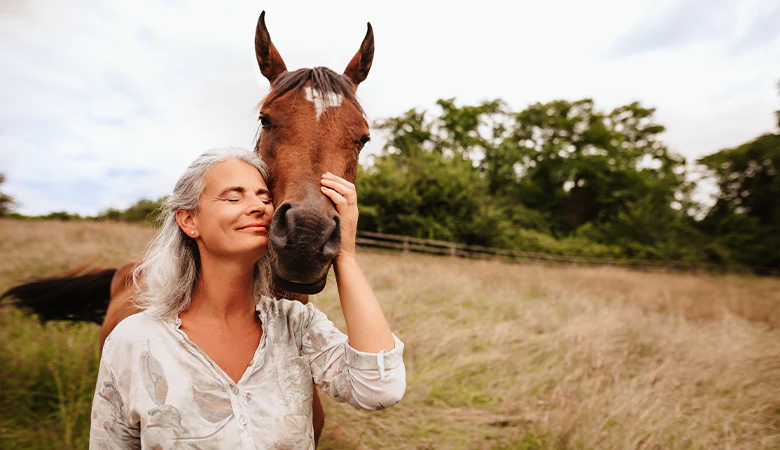
More and more people are offering professional horse-sitting services. They can visit daily to feed, check and care for the horses. It is important to enquire about the sitter’s experience with horses beforehand. Not every pet sitter has sufficient knowledge of horse behaviour, nutrition or health issues. Therefore, ask about previous experience with horses, any training or certifications, and references from other horse owners. An experienced horse sitter will often recognise signs of illness, lameness, colic or injuries more quickly and know how to respond in emergency situations. Ideally, arrange an introductory meeting in advance so the sitter can get to know your horse and become familiar with its daily routine. Show them where the feed, equipment and any medications are stored, and discuss important points such as unusual behaviour, medical history or specific care requirements.

Benefits of a professional horse sitter:

  • Experience in horse care
  • Knowledge of health issues and emergency situations
  • Reliable scheduling

Ask for references in advance and make clear agreements regarding duties and costs.

Full Livery at a Boarding Stable

If your horse is normally kept at home or at a small private location, temporarily moving it to a boarding stable may be a suitable solution. At many boarding stables, daily care, feeding and monitoring are fully provided.

Check in advance:

  • Availability of a temporary space
  • Adaptation to group housing
  • Feeding policies and the possibility of providing your own feed
  • Options for administering medication

Please note that a temporary relocation may be stressful for some horses.
Products for your horse

At-Home Care During Your Absence

When your horses are kept at home, many horse owners choose to have a family member, friend or acquaintance stay on the property temporarily. This ensures not only daily care but also additional supervision throughout the day and night. This can provide peace of mind, especially when there are several horses or when a horse requires extra care. It is important to prepare the temporary caregiver thoroughly for all daily tasks. Take plenty of time to explain the routines and demonstrate how everything works. This includes feeding, checking water troughs, mucking out the stable or shelter, turning the horses out and recognising possible health issues.

In addition, prepare a clear instruction folder containing important information such as:

  • Feeding schedules and exact quantities
  • Any supplements or medication
  • Daily tasks and routines
  • Specific details for each horse
  • Contact details for the veterinarian, farrier and any neighbours or family members
  • Locations of feed, equipment and medical supplies
  • Instructions for emergency situations

Also discuss what the caregiver should pay attention to. A horse that is not eating, is displaying unusual behaviour, is lame or is showing signs of colic may require immediate attention. The better informed someone is, the faster they can act if something goes wrong. Ideally, have the person assist with the care for a few days before your departure. This allows both the caregiver and the horses to become familiar with each other, and gives you the opportunity to answer any questions beforehand. This not only provides greater confidence for the caregiver but also allows you to enjoy your holiday with peace of mind.

Cooperating with Other Horse Owners

At many stables, horse owners help each other during holidays. For example, you may care for a fellow livery owner’s horse during their holiday, after which they do the same for you. This solution is often cost-effective and practical, provided that both parties make clear agreements regarding responsibilities and expectations.

Check Your Horse’s Health Before Departure

Do not go on holiday just before departure if your horse is showing health problems that have not yet been investigated. If you have any concerns about your horse’s health, contact your veterinarian beforehand.

Also ensure that:

  • Vaccinations are up to date
  • Any medication is sufficiently stocked
  • Hoof care has been carried out in time
  • Your horse is in good condition

Enjoy Your Holiday with Peace of Mind

With good preparation and reliable care, your horse can be looked after safely and comfortably during your absence. By making arrangements in advance and leaving clear instructions, you can enjoy your holiday knowing that your horse is in good hands.

Subscribe to the newsletter!

Read our other blogs as well

More tips
Team-veterinair_72_footer

About the author

Carmen, Veterinary Nurse at Vetsend

Carmen is a veterinary nurse and an expert in animal health at Vetsend. With her many years of experience, she provides clear and reliable advice to pet owners. She regularly shares informative articles on nutrition, behaviour, and preventive care. Discover Carmen’s tips for a healthy and happy pet on Vetsend.

Read more about Carmen