Service
Basket
Menu
5% off treats and toys with code HALLOWEEN! Read more

Horses and autumn: coat care and hoof care

Written by Carmen |

When the days grow shorter and temperatures fall, a great deal changes for your horse. The summer coat makes way for a thicker winter coat, while rain, mud and wet fields require extra attention to the skin and hooves. But when does your horse actually need a rug? Is clipping a sensible choice? And how can you try to prevent problems such as mud fever and rain scald as much as possible?

Horses

Preparing for the wet and cold months

Cold weather is not the only factor that matters during autumn and winter. The combination of rain, wind, mud and temperature fluctuations in particular can affect how you care for your horse. By checking the coat, skin, legs and hooves regularly and adapting care to the conditions, you can spot many problems early.

Your horse’s winter coat

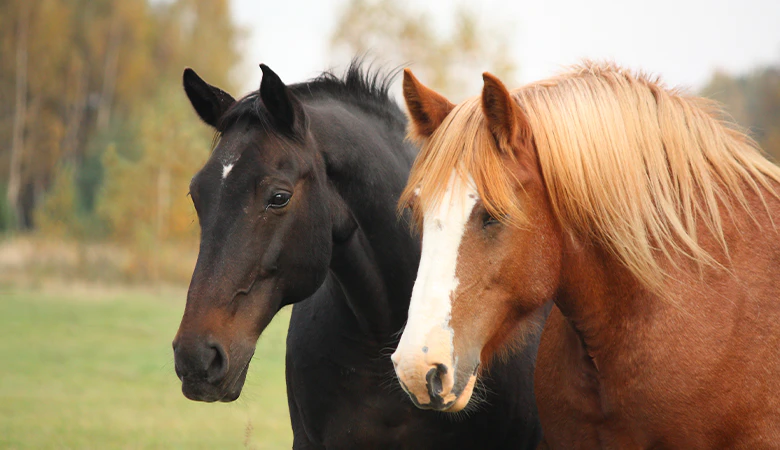
Horses naturally prepare for winter by growing a thicker coat. The development of this winter coat is mainly influenced by the shortening days. The longer hairs and insulating undercoat help your horse retain body heat. A healthy winter coat can provide effective insulation. The hairs can stand up slightly, creating an insulating layer of air between them. Cold weather therefore does not automatically mean that every horse needs a winter rug. Regular grooming remains important in winter. It allows you to check the skin and coat so that wounds, scabs or other changes are noticed sooner.

Everything for caring for your horse in winter

Should you clip your horse or not?

Whether clipping is necessary mainly depends on how much your horse is exercised and how much they sweat as a result. A horse with a thick winter coat that is exercised intensively can sweat heavily and then take a long time to dry completely. Clipping can be practical in this situation. You do not always have to remove the entire coat. With a partial clip, some of the winter coat is retained in areas where your horse is less likely to sweat. Is your horse ridden infrequently or only lightly and do they barely sweat? Clipping is usually not necessary in that case. The natural winter coat can simply do its job.

A clipped horse needs extra protection

Clipping removes part of the natural insulation. A clipped horse therefore needs protection from cold, wind and precipitation sooner. The right rug depends on factors including the temperature, weather conditions, housing, amount of coat and the individual horse. Read our informative blog about horse rugs.

Does your horse need a winter rug?

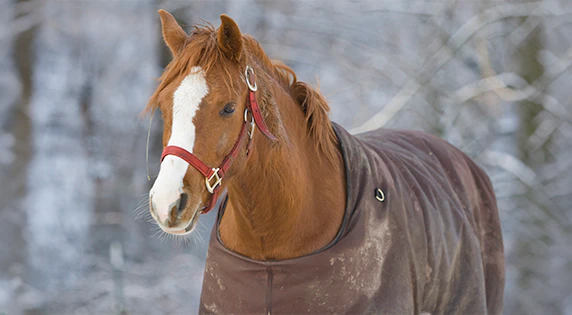
A thick rug is not necessary for every horse. Look at your horse rather than focusing only on the outdoor temperature. A healthy, unclipped horse with a sufficient winter coat, shelter and suitable forage can often cope well with lower temperatures. A rug may be advisable for a clipped horse, older or underweight horses and horses that have difficulty keeping themselves warm. Prolonged rain combined with wind can also be a reason to provide extra protection. Check a horse wearing a rug every day. Feel beneath the rug to make sure your horse is not too warm or clammy and check the skin for rub marks. You should also regularly check that the rug still fits properly.

Skin care during wet months

Autumn and winter often bring moisture, mud and a coat that takes longer to dry. The skin can become more vulnerable when it remains damp for a long time. Try not to leave your horse wet beneath a rug for extended periods. If possible, allow the coat to dry thoroughly first and regularly check areas where moisture and dirt can easily remain, such as the legs, pasterns, back and the area beneath the rug. Keep brushes and other grooming equipment clean and dry as well. Does a horse have skin problems? It is then best not to use their brushes on other horses.

Mud and mud fever

Wet and muddy paddocks and fields are almost impossible to avoid during autumn and winter. The skin around the pasterns in particular can remain damp for a long time as a result. This can contribute to the development of mud fever. With mud fever, the skin may be red, sensitive or thickened and scabs can form. The leg may sometimes become swollen or painful. Rinsing all the mud from the legs with water every day is not always the best solution. This repeatedly makes the skin wet. If possible, allow the mud to dry and then brush it away gently. Is rinsing still necessary? Dry the pasterns thoroughly afterwards. Read our blog about mud fever in horses.

Have you noticed extensive scabbing, heat, swelling or pain, or are the symptoms getting worse? Contact your vet.

Rain rot or rain scald in horses

Prolonged wet weather can also play a role in rain rot, which is also known as rain scald or dermatophilosis. Scabs and clumps of matted hair can develop, often on the back, hindquarters and other parts of the body that are heavily exposed to rain. A wet coat that cannot dry sufficiently can make the skin more vulnerable. Make sure your horse has access to dry shelter and check the skin regularly. Do not pull scabs off forcefully. Keep brushes, rugs and other equipment thoroughly clean and preferably do not share them with other horses. It is advisable to consult your vet in the case of extensive, painful or persistent skin problems.

Hoof care in winter

The hooves also endure a great deal during the wet months. Mud and manure can easily accumulate around the frog. In addition, the moisture content of the hoof can repeatedly change when your horse alternates between a wet paddock and a dry stable. Pick out the hooves regularly and check them for changes at the same time. Look out for:

  • An unpleasant odour
  • A soft or crumbling frog
  • Cracks in the hoof
  • Sensitivity or lameness

Ideally, provide a clean and dry area where your horse can stand regularly. You should also maintain the usual farrier schedule.

Daily checks make a difference

Winter care does not have to be complicated. By taking a good look at your horse every day, you will often notice changes quickly. Check the skin and legs, pick out the hooves and feel beneath any rug. Pay attention to your horse’s general wellbeing too. Are they maintaining their weight, eating and drinking normally and looking comfortable? The need for a rug, clipping or additional care varies from horse to horse. By tailoring care to your horse and the weather conditions, you can support them during the wet and cold months.

Frequently asked questions about caring for your horse in winter

Does a horse always need a rug in winter?

No, not every horse needs a winter rug. A healthy, unclipped horse with a good winter coat and sufficient shelter can often keep themselves warm. Consider your horse, their housing, coat and the weather conditions when deciding whether a rug is necessary.

When is the best time to clip a horse?

Clipping can be practical when your horse is exercised regularly or intensively during winter and sweats heavily because of their thick winter coat. A clipped horse does lose part of their natural insulation and will therefore need a suitable rug sooner.

How can you prevent mud fever in your horse during winter?

Try to prevent the pasterns from remaining wet and muddy for extended periods. If possible, allow the mud to dry and brush it away gently. Do you rinse the legs? Dry the pasterns thoroughly afterwards. Check the legs daily for scabs, redness, heat and swelling.

What is rain rot in horses?

Rain rot, also known as rain scald or dermatophilosis, is a skin problem that can cause scabs and clumps of matted hair, among other symptoms. Prolonged wetness can play a role. Make sure your horse can dry sufficiently and have extensive, painful or persistent skin problems assessed by a vet.

Sign up for the newsletter!

Read our other blogs too

Horse in a heathland

Mud fever in horses: causes and treatment

Mud fever in horses is a common but often persistent skin condition. Mud fever is a collective term for various forms of skin irritation and inflammation affecting the lower limbs, particularly around the pastern area. The condition mainly occurs in late summer and autumn, when wet and muddy conditions put extra strain on the skin. Although mud fever may sometimes look harmless, it can develop into a serious and chronic skin condition. In severe cases, a horse may even become lame. Mud fever is not contagious to other horses, but it does require a thorough and consistent approach.

Horse standing in a meadow

Horse worms and deworming schedules: How do you keep your horse healthy?

Worms occur in almost every horse. In small numbers this is usually not a problem, but heavy burdens can lead to serious health issues, from weight loss to colic. Fortunately, with the right approach and regular monitoring you can keep the worm burden low and keep your horse healthy. In this blog we explain which worm species are most common, how to set up a responsible deworming schedule and why faecal testing and pasture management are essential.

Horse with blanket

Comparing horse blankets: what should you look for?

Buying a horse blanket is not simple: there are endless models, materials and thicknesses, and every situation requires a different choice. When does a horse really need a blanket? Which thickness suits which weather conditions? And how do you prevent rubbing or overheating? In this blog, you will read what to look for when comparing and purchasing a horse blanket.

More tips
Team-veterinair_72_footer

About the author

Carmen, Veterinary Nurse at Vetsend

Carmen is a veterinary nurse and an expert in animal health at Vetsend. With her many years of experience, she provides clear and reliable advice to pet owners. She regularly shares informative articles on nutrition, behaviour, and preventive care. Discover Carmen’s tips for a healthy and happy pet on Vetsend.

Read more about Carmen