Service
Basket
Menu
5% off with code LIGHTING5 on lighting for your pet Read more

Mud fever in horses: causes and treatment

Written by Mara |

Mud fever in horses is a common but often persistent skin condition. Mud fever is a collective term for various forms of skin irritation and inflammation affecting the lower limbs, particularly around the pastern area. The condition mainly occurs in late summer and autumn, when wet and muddy conditions put extra strain on the skin. Although mud fever may sometimes look harmless, it can develop into a serious and chronic skin condition. In severe cases, a horse may even become lame. Mud fever is not contagious to other horses, but it does require a thorough and consistent approach.
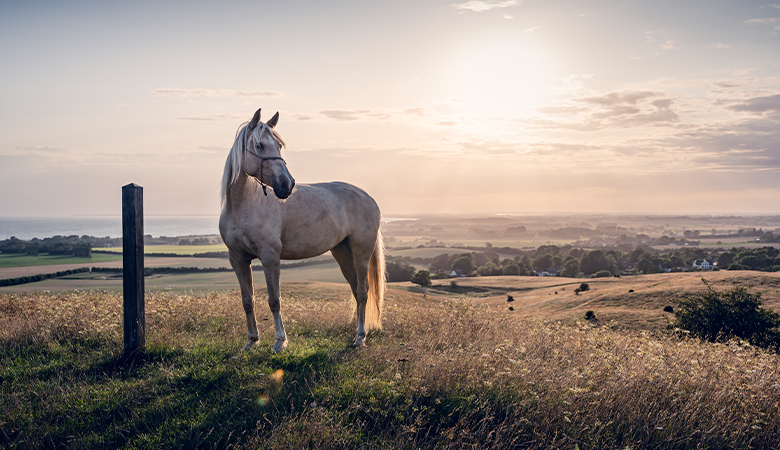
Horse in a heathland

What exactly is mud fever?

With mud fever, the skin in the pastern area becomes damaged and inflamed. A horse with mud fever often has:

  • small wounds
  • cracks
  • scabs
  • redness and swelling

The skin barrier is compromised, allowing bacteria, fungi or mites to penetrate more easily and maintain the condition.
Relevant products

What causes mud fever in horses?

Mud fever usually develops as a result of several contributing factors. The main causes include:

  • Moisture and mud: Prolonged wet legs soften the skin, making it more vulnerable to damage.
  • Bacteria and fungi: Once the skin barrier is damaged, micro-organisms can cause inflammation.
  • Mites: Especially in heavy horses with feathering, mites can worsen mud fever-like symptoms.
  • Mechanical irritation: Mud, sand or rubbing hair can cause small skin lesions.
  • Reduced immunity: Horses with a weakened immune system are more prone to developing mud fever.

Symptoms of mud fever

The symptoms of mud fever can range from mild to severe:

  • redness around the pastern
  • flaking skin and scab formation
  • cracks and painful sores
  • swelling of the lower leg
  • warmth and sensitivity
  • lameness in severe cases

Without treatment, mud fever can become chronic and spread. Scar tissue with thickened skin may develop, causing pain. Early treatment is therefore very important.

Increased risk in horses with white skin on the pastern

Horses with white skin on the pastern have a higher risk of developing mud fever. Light skin contains less pigment and is therefore more sensitive to sunlight. In strong sun, the skin can burn more easily, leading to irritation and damage to the skin barrier. This damaged skin provides an ideal entry point for bacteria and fungi.

In addition, white skin often reacts more sensitively to moisture, mud and cleansing products. For these horses, it is especially important to protect the pastern area from prolonged wetness, excessive sun exposure and harsh grooming products. Timely care and preventive measures can help prevent or limit mud fever in horses with white skin.

Treatment of mud fever

Treatment of mud fever depends on its severity and underlying cause, but usually consists of several steps.

1. Cleaning

  • Clean the affected area gently
  • Use lukewarm water and a mild, disinfecting shampoo
  • Avoid excessive washing, as this can further dry out the skin

2. Drying

  • Always dry the pastern area thoroughly after washing
  • Never allow wet legs to air-dry in a cold or damp environment

3. Care

Use a caring product that:

  • protects the skin
  • inhibits bacteria and fungi
  • supports repair of the skin barrier

View suitable care products on our page Mud fever in horses.

4. Treating underlying causes

  • check for mites
  • adjust stable and pasture conditions

Always consult a vet if mud fever is severe or persistent.

How can you prevent mud fever in horses?

Prevention is better than cure, especially with such a persistent condition.

  • keep the legs as clean and dry as possible
  • trim feathering to allow better inspection and treatment of the skin
  • avoid prolonged standing in mud or wet paddocks
  • provide a clean, dry stable
  • brush legs gently and avoid skin damage
  • be extra vigilant during autumn and winter

Nutrition and internal support

In addition to external care, internal health plays an important role in mud fever.

  • Supporting immunity: Good overall immunity helps horses recover from and prevent skin problems.
  • Balanced gut flora: Gut health has a direct impact on the immune system. Herbal and supportive supplements can help maintain a healthy gut flora.
  • Elimination of waste products: When waste products are not removed efficiently, this may be reflected through the skin. Supporting the liver and kidneys can help.
  • Avoid excess sugar: Diets high in sugar and starch can worsen inflammatory processes. Limit sugary concentrates, rich grass and products high in molasses.

Mud fever in horses is a frustrating and often recurring skin condition that requires a consistent approach. By acting early, applying good care and paying attention to nutrition and immunity, you can significantly reduce the risk of chronic mud fever.

If mud fever keeps returning despite treatment or worsens, always contact your vet for further investigation and guidance.


Sign up for our newsletter

Read our other blogs too

horses in the meadow

How do you choose the right supplement for your horse?

Whether you’re training a young sport pony, supporting a senior mare or have a horse that just needs a little extra help, the range of supplements is so large that it’s easy to lose track. From magnesium to herbal blends, from joint formulas to skin and respiratory support, what does your horse really need? In this blog I’ll help you discover step by step how to choose the right supplement, when supplements are useful and what to look out for to support safely and with focus.

herd of horses

Recognising and Supporting Chronic Progressive Lymphedema (CPL) in Horses

Thick legs, scabs or skin changes on a horse’s lower limbs are often dismissed as something harmless or as mud fever. However, in some cases there may be more going on. CPL is a condition that develops slowly and can be difficult to recognise in its early stages. This is precisely why it is important to know what to look out for and which steps you can take if you have doubts.

Horse with hay in its mouth

The right nutrition for your horse: What you need to know about supplements and feed choices

Proper nutrition forms the foundation of a healthy horse. Yet choosing the right feed is often less straightforward than it seems. With the wide range of concentrates, mueslis, mash feeds and supplements available, it can be difficult to determine what your horse truly needs. In this blog, we guide you through the most important points to consider when selecting suitable nutrition, viewed from a veterinary perspective.

More tips
image (20)

About the author

Mara van Brussel-Broere, Veterinarian at Vetsend

Graduated as a companion animal veterinarian from Utrecht University, she uses her practical experience to advise customers and share knowledge at Vetsend. She finds it important to provide pet owners with clear information about health and wellbeing.

Read more about Mara