Service
Basket
Menu
Up to 30% off Royal Canin! Read more

My dog is panting a lot

Written by Kelsey |

Panting is usually completely normal behaviour for dogs. Just as we sweat to cool down, dogs use panting to regulate their body temperature. However, when panting becomes excessive or your dog suddenly starts panting while at rest, this may indicate an underlying problem. In this blog, you can read when panting is normal, what the possible causes of excessive panting are and what you can do about it.
dog

When is panting in dogs normal?

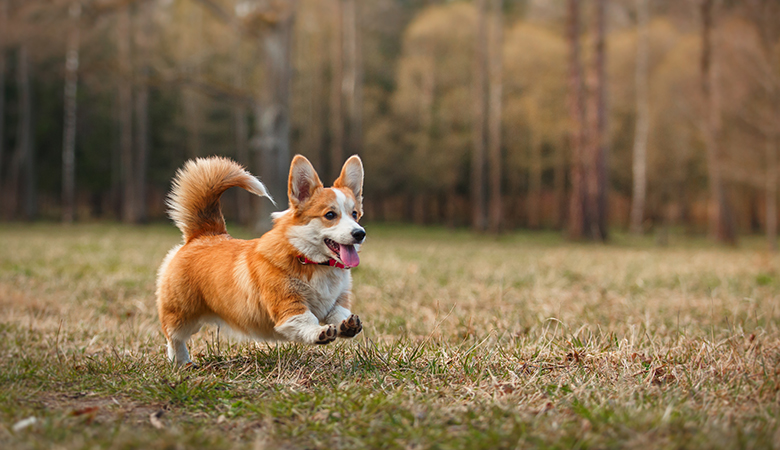
Panting is a natural mechanism that dogs use to regulate their body temperature. You will notice that your dog pants after playing, going for a walk or on warm days. Brief panting after an exciting event can also be normal. In these situations, panting is usually temporary and stops once your dog calms down.

Relevant products

Overheating

Why is my dog suddenly panting a lot?

However, if you notice that your dog suddenly starts panting a lot, or pants at an unexpected time and is restless, there may be something else going on.

Overheating in dogs

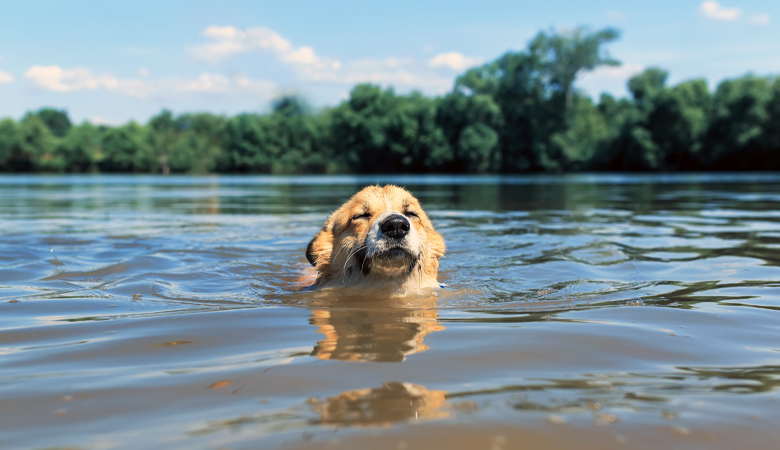
Dogs cannot sweat like we humans do. A dog’s sweat glands are mainly located on their paw pads and are not sufficient to cool their entire body. Instead, they use panting to regulate their body temperature and prevent overheating. It is important to recognise the symptoms of overheating and act quickly. If your dog cannot pant, they can quickly overheat, which can have serious or even fatal consequences. This happens more quickly in short-nosed breeds. View our full range of cooling products for dogs here.

Stress or excitement

You may also have noticed that your dog starts panting quickly when you do something enjoyable together, such as playing or going for a walk. This type of panting is not only a way to cool down, but also an expression of enthusiasm and enjoyment. Stress or mental exertion can also cause your dog to pant more. Take a look at how your dog reacts in stressful situations, such as during fireworks or a visit to the veterinarian. Fortunately, there are various natural supplements that you can use to support your dog during these situations, such as Dr. Ann’s Stress Reduction, Zylkene, Adaptil or Pet Remedy.

Being overweight and breathing

Being overweight can cause your dog to pant more. This is because your dog may become out of breath more quickly and may have difficulty losing excess heat. The additional body fat makes it harder to cool down, making panting necessary. Being overweight also puts additional strain on the heart and lungs, which can make the panting worse. A healthy diet and sufficient exercise can help reduce this problem.

Pain or discomfort in your dog

Excessive panting can be a result of pain or discomfort. You may notice faster, shallower breathing, even while your dog is at rest. This panting is often a stress response to physical problems such as injuries, illnesses or chronic conditions. Older dogs may also experience more stress or pain, for example due to osteoarthritis, which can also lead to excessive panting. It is then a good idea to observe your dog’s behaviour and body language closely and consult a veterinarian if necessary.

Medical causes of panting in dogs

Excessive panting can also indicate an underlying medical condition in your dog. As your dog gets older, health problems such as heart problems, lung disease, hormonal imbalances such as Cushing’s disease, or even a fever can cause your dog to pant more than usual. This panting is often a sign that your dog is having difficulty breathing or regulating their body temperature. If there is no obvious cause, it is always advisable to consult a veterinarian for a thorough examination.

Panting can sometimes be confused with breathing difficulties. A dog experiencing breathing difficulties will usually breathe faster and more deeply, stretch out their neck and may make sounds such as rasping, rattling or snoring. This indicates a lack of oxygen and requires immediate action. A blue tongue, for example, is a serious sign of oxygen deficiency and means that your dog needs to see a veterinarian as soon as possible.

Frequently asked questions about panting in dogs

How do I know if my dog is panting too much?

If your dog pants more frequently and for longer than usual, including while at rest or in mild temperatures, this may indicate a problem. Pay particular attention if the panting is accompanied by other symptoms such as restlessness, breathing difficulties or lethargy.

What should I do if my dog is panting for no apparent reason?

Check whether stress, overheating, pain or a medical issue could be the cause. Stay calm, observe your dog’s behaviour and always consult your veterinarian if you are unsure.

Can stress cause a dog to pant?

Yes, just like people, dogs can have a physical response to stress. Panting is a common stress response, particularly during loud noises such as fireworks or a visit to the veterinarian.

How can you recognise breathing difficulties in a dog?

A dog experiencing breathing difficulties breathes faster and more deeply, stretches out their neck and may make sounds such as rattling or wheezing. In severe cases, the tongue may turn blue. This is an emergency.

Is a panting dog in pain?

Possibly. Dogs often show pain in subtle ways. Excessive panting at rest, restless behaviour or a change in posture can be signs of discomfort or pain.

What are the medical causes of excessive panting?

Heart problems, lung disease, hormonal disorders such as Cushing’s disease or a fever can cause a dog to pant excessively. A veterinarian can investigate these possible causes.

Why is my dog panting a lot and also drinking a lot?

If your dog is panting excessively and is also drinking noticeably more than usual, this may indicate hormonal conditions such as diabetes or Cushing’s disease. Have your dog examined if these symptoms persist.

What can you do if your dog is panting a lot?

If you notice that your dog is panting an unusual amount and you have ruled out normal causes such as heat or physical activity, it is advisable to look carefully for other symptoms such as lethargy, coughing or breathing difficulties. Always consult a veterinarian if you are unsure. Depending on the cause, you can support your dog with cooling products, weight management, pain relief or calming supplements. This can help keep your dog comfortable and healthy. Do you have any further questions about panting in dogs? Contact us at veterinarian@vetsend.co.uk.

Read our other blogs

More tips