Service
Basket
Menu
5% off supplements and medicines with code MEDSUP5 Read more

Reverse sneezing in dogs

Written by Mara |

Reverse sneezing is something we see very often in dogs. If you do not know what it is, it can look quite alarming. To determine when it is harmless and when it is not, it is important first to be able to recognise it properly.
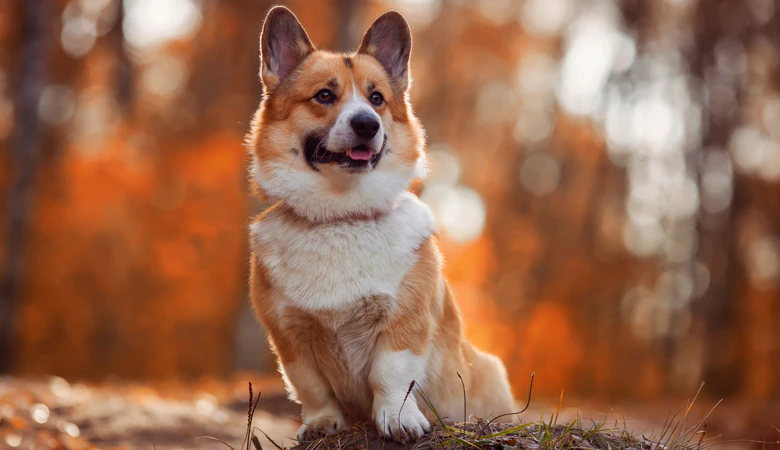
Welsh Corgi in the forest

What is reverse sneezing

Reverse sneezing, also known as backwards sneezing, is fortunately usually harmless. During reverse sneezing, your dog makes a snorting or grunting sound and it seems as if your dog is trying to breathe in while sneezing. They breathe in forcefully through the nose, which causes the typical snoring sound during that inhalation. During reverse sneezing, your dog stands with their legs wide apart, elbows pointing outwards, and head and neck stretched forward. Breathing is temporarily restricted. In general, an episode is short-lived, usually lasting only a few seconds to a maximum of a few minutes. Although it is usually harmless, it can still be frightening to see your dog like this.

Relevant products

What causes reverse sneezing in dogs?

With reverse sneezing, there is irritation in the area between the nasal cavity and the soft palate. Your dog may also have a relatively long soft palate, which can cause discomfort. Because the soft palate is irritated or too long, the muscle in this palate goes into spasm, narrowing the windpipe. The throat muscles contract in a kind of cramp or spasm, partly closing off the throat cavity. Your dog then breathes in forcefully through the nose, which causes the typical snoring sound during that inhalation. Vomiting can also be a consequence of this.

Causes of reverse sneezing can include:

  • Excessive excitement
  • A relatively long and soft palate
  • Allergy or reaction to food, pollen, perfume, smoke or chemicals
  • Pulling too hard on the lead
  • A virus or infection, such as kennel cough

There are also certain dog breeds that are more prone to backwards sneezing. These are dogs with flat noses. They tend to suck their soft palate inwards when breathing in, which can lead to reverse sneezing. Smaller dogs also seem to be more sensitive, possibly because they have a narrower throat. Although we see reverse sneezing most often in dogs, it can also occur in cats.

What can you do for a dog with reverse sneezing

In most cases, reverse sneezing will stop by itself and the dog will be able to breathe normally again. You can try to help your dog stop with one of the following actions:

  • Try to keep your dog calm
  • Gently rub your dog’s throat to encourage swallowing
  • Hold the nose closed for a few seconds
  • Gently blow towards your dog’s nose from a distance

With natural remedies, you can give your dog’s health extra support. If your dog has reduced resistance or needs respiratory support, the natural product Propolis or Multivitamine can provide that extra support.

When should you go to the vet?

If reverse sneezing occurs regularly in your dog, the sneezing episodes last longer and longer, or your dog starts to faint, it is important to contact your vet. It is a good idea to investigate whether another condition could be causing these symptoms, such as a heart abnormality.

Do you still have questions about reverse sneezing? Please contact us at veterinarian@vetsend.co.uk.

Frequently asked questions about reverse sneezing in dogs

Is reverse sneezing dangerous for my dog?

Usually not. In most cases, reverse sneezing is harmless and often lasts only a few seconds to a minute. During an episode, it may look as if your dog is having difficulty breathing, but between episodes they usually feel completely fine. If the episodes occur often, last a long time or your dog also has other symptoms, contact your vet.

Why does a dog get reverse sneezing?

Reverse sneezing is caused by temporary irritation of the nose, throat or soft palate. This can be caused, for example, by dust, pollen, perfume, smoke, excitement, pulling on the lead or sudden changes in temperature. Sometimes the cause is not clear.

What can you do if your dog has a reverse sneezing episode?

Above all, stay calm. The episode often stops by itself within a minute. You can reassure your dog and, if necessary, gently rub the throat or chest. Some dogs stop more quickly when their nose is briefly held closed, so that they make a swallowing movement. Only do this carefully and do not force anything.

How do you recognise reverse sneezing?

During an episode, a dog often stretches their neck, stands still and breathes air in forcefully with short, snorting movements. This sounds as if they are snoring or gasping for breath. Although this can look worrying, the dog usually remains conscious and recovers immediately after the episode.

When should you go to the vet for reverse sneezing?

An occasional episode is usually no cause for concern. However, contact your vet if the episodes occur more and more often, last longer, your dog remains short of breath, faints or also has symptoms such as coughing, nasal discharge, lethargy or difficulty breathing. In that case, there may be an underlying condition that needs to be investigated.

Sign up for our newsletter

Also read our other blogs

More tips
image (20)

About the author

Mara van Brussel-Broere, Veterinarian at Vetsend

Graduated as a companion animal veterinarian from Utrecht University, she uses her practical experience to advise customers and share knowledge at Vetsend. She finds it important to provide pet owners with clear information about health and wellbeing.

Read more about Mara