Service
Basket
Menu
5% off with code LIGHTING5 on lighting for your pet Read more

Rhinovirus in horses (rhinopneumonitis)

Written by Mara |

Rhinovirus in horses, better known as rhinopneumonitis, is a highly contagious infectious disease that can have major consequences for both equine health and stable management. The disease is caused by Equine Herpesvirus (EHV) and occurs worldwide. In this blog, you’ll learn what rhinopneumonitis is, which symptoms may occur, how horses become infected and how you can help prevent the disease as much as possible.
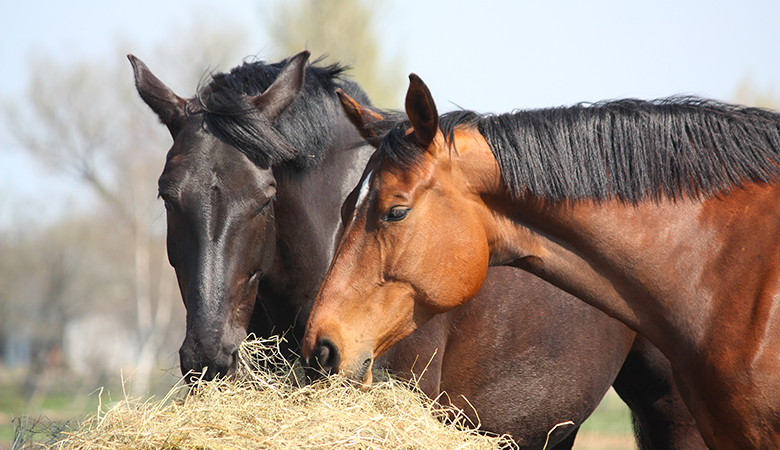
Two horses eating hay together

What is rhinopneumonitis in horses?

Rhinopneumonitis is a collective term for disease symptoms caused by:

  • Equine Herpesvirus type 1 (EHV-1)
  • Equine Herpesvirus type 4 (EHV-4)

Both viruses mainly cause respiratory disease, but EHV-1 can also lead to abortion in pregnant mares and neurological signs, known as the neurological form of rhinopneumonitis.

An important characteristic of these viruses is that many horses are carriers without showing continuous signs of illness.

Relevant products

How do horses become infected?

Rhinopneumonitis is highly contagious and spreads in several ways:

  • direct contact between horses (nose-to-nose contact)
  • through coughing and nasal discharge
  • indirectly via people (hands, clothing, footwear)
  • via equipment such as headcollars, rugs, feed buckets and transport vehicles

The virus can also reactivate in horses that are already carriers. This often happens during periods of stress, such as:

  • transport
  • competitions
  • a change of stable
  • illness or reduced immunity

Symptoms of rhinopneumonitis

The symptoms of rhinopneumonitis can vary widely and depend on the virus type and form of the disease.

Respiratory signs (most common)

Horses with respiratory signs caused by the rhinovirus may show:

  • fever
  • nasal discharge
  • coughing
  • lethargy
  • reduced appetite

These signs often resemble a mild cold, especially with EHV-4.

Abortion in mares

With EHV-1, pregnant mares may suddenly abort, sometimes without showing clear signs of illness beforehand. Abortion often occurs in the later stages of pregnancy and can have significant emotional and financial impact.

Neurological form (EHM or Equine Herpesvirus Myeloencephalopathy)

The most severe form is neurological rhinopneumonitis, caused by EHV-1.

Possible symptoms include:

  • coordination problems (ataxia)
  • weakness or paralysis of the hindquarters
  • difficulty rising
  • problems with urination or defecation

This form can be life-threatening and requires immediate veterinary care.

Diagnosis

The diagnosis is made by the vet, often based on:

  • clinical signs
  • PCR testing of nasal swabs or blood
  • additional diagnostics in cases with neurological signs

Rapid diagnosis is important to prevent further spread.

Vaccination against rhinopneumonitis

Vaccination is an important measure to reduce the risk of illness and serious consequences for your horse.

Vaccination:

  • reduces the severity of symptoms
  • lowers virus shedding
  • helps prevent abortion caused by EHV-1

Important to know: Vaccination does not prevent infection or carrier status, but it is an essential preventive measure, especially in yards with multiple horses and for broodmares.

Hygiene and stable management

Good hygiene is crucial in preventing and controlling rhinopneumonitis:

  • isolate sick or suspected horses immediately
  • wash and disinfect hands after contact with horses
  • do not share equipment between yards
  • limit visitors and transport during an outbreak
  • ensure clear movement routes and changing of clothing

In the event of an outbreak, quarantine and strict stable management are essential to prevent further spread. Read more in our blog The importance of a healthy stable environment for horses.

Rhinopneumonitis (rhinovirus) is a common but potentially very serious disease in horses. As many horses are carriers and the virus can reactivate during stress, continued vigilance is essential. Vaccination, good hygiene and rapid action when symptoms appear are key to minimising the impact of this disease.

Do you have questions about rhinopneumonitis in horses? Please contact us at veterinarian@vetsend.co.uk.


Sign up for our newsletter

Read our other blogs too

More tips