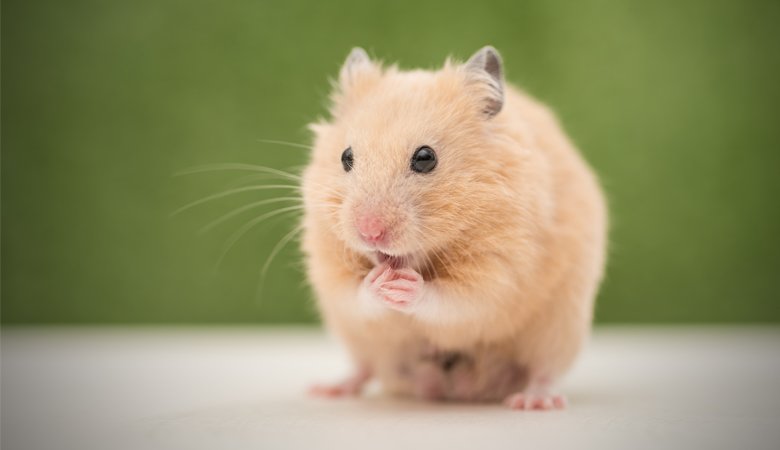
Which rodent is right for me?
Before buying a rodent, it is important to consider whether and which rodent suits you.
The gerbil is a small rodent originally from Mongolia and northern China. In the wild, they live in grasslands and deserts, where they dig tunnels to live in. These tunnels offer protection from predators and extreme temperatures. Gerbils are active, curious animals that enjoy digging, gnawing and exploring their surroundings. In nature, they live in groups and are therefore best kept with other gerbils. Gerbils have a slender body, a long tail and strong hind legs for jumping. Because of their active behaviour, gerbils are very popular pets.

The gerbil originates from Mongolia and northern China. Here, they live in grasslands and semi-deserts where temperatures can vary greatly and food can sometimes be scarce. They dig tunnel systems underground to protect themselves from these conditions. The tunnels provide cooling, shelter and a good place to store food. Gerbils live in groups, work closely together and show social behaviour. They are mainly active during the day and spend a lot of time searching for food such as seeds and plants. Nowadays, gerbils are popular all over the world because of their curious nature, active behaviour and relatively easy care.
Gerbils are known for their active, curious and social character. They enjoy digging, gnawing and exploring their surroundings. They are naturally group animals, which means they feel most comfortable with one or more other gerbils. Keeping a gerbil on its own is therefore also discouraged. Although gerbils are very friendly, they remain prey animals. Because of this, they can be startled by sudden movements or loud noises. A calm approach helps to build trust, although every gerbil naturally has its own character.
There are different types of gerbil, of which the Mongolian gerbil is most commonly kept as a pet. Below you will find the best-known types.
Gerbils are group animals and it is therefore strongly discouraged to keep them alone. It is recommended to keep at least two gerbils together, preferably a stable pair.
Gerbils need a spacious enclosure where they can move around and dig. A larger enclosure is always better, especially for several gerbils. Sufficient space helps to prevent stress and encourages natural behaviour. For the Mongolian gerbil and fat-tailed gerbil, an enclosure of at least 80 x 40 cm is recommended. For the Persian gerbil, the minimum size is 100 x 50 cm.
Gerbils are best kept with other gerbils. It is not recommended to keep them with other animal species, as this can cause stress.
Gerbils naturally eat a lot of seeds, grains and plants. When kept as pets, their diet is based on special gerbil food. In addition, you can give small amounts of fresh greens, such as fresh vegetables and herbs, and an occasional snack. Also make sure fresh drinking water is always available.
With a lot of patience and a calm approach, gerbils can be tamed, but they usually become less tame than other rodents. By moving calmly and regularly spending time near the enclosure, they can become used to people. It is important not to force anything, as this can cause stress.
Yes, gerbils need a sand bath to care for their coat. They use bathing sand to keep their coat clean and free from grease. A sand bath is an important part of the enclosure.
An ill gerbil is often less active, eats less or withdraws more. A dull coat, weight loss or breathing problems can also be signs that something is wrong. If in doubt, always consult a vet.
Gerbils need a spacious enclosure where they can move around properly, dig and hide. Gerbils are real diggers, which means not only the floor area is important, but also the depth of the bedding. A spacious enclosure with plenty of digging opportunities helps keep a gerbil active and healthy. The enclosure should be placed in a quiet spot in the house, away from draughts, direct sunlight and large temperature fluctuations.
Also provide plenty of hiding places, such as little houses and tunnels. Gerbils are prey animals and therefore like to be able to retreat to a safe place. A thick layer of bedding is important so they can dig tunnels.
The right daily care helps keep your gerbil healthy and comfortable. Because of their need to gnaw, dig and explore their surroundings, it is important to maintain a number of regular care routines.
Good gerbil care includes:
By paying daily attention to these points, the living environment stays clean, the gerbil gets the right nutrition and any changes in behaviour or health can be noticed quickly.
Before buying a rodent, it is important to consider whether and which rodent suits you.
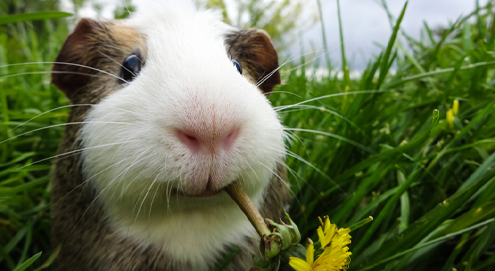
Guinea pigs are sociable pets that need a balanced diet to stay healthy and happy. But did you know that they cannot produce their own vitamin C and that their diet involves much more than just hay and vegetables? So, what can guinea pigs eat and what should be strictly avoided? And how can you treat them safely and responsibly? Discover everything you need to know about healthy nutrition, from the best snacks to the importance of daily vitamin C.
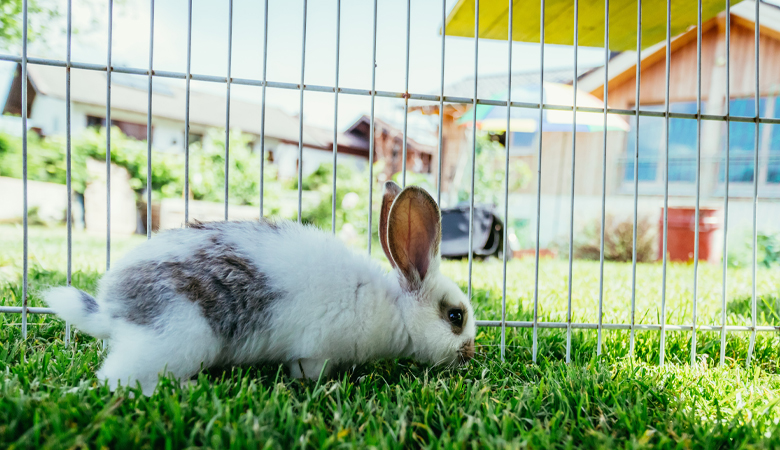
Rabbits (Oryctolagus cuniculus) are mammals, belonging to the lagomorph family (hares and rabbits). Rabbits are not rodents, although they are often thought to be. In this article, we will look at what it takes to keep a pet rabbit.

Add products to view your basket
We use cookies to help us serve you better and more personally. Functional cookies ensure that the website works properly and have an analytical function. We also use technology to track your behaviour anonymously, both inside and outside our website. Personal data and cookies may be used for personalisation or advertising. Want to know more? Read our privacy policy and cookie statement here. If you choose to reject, we will only place functional and analytical cookies.