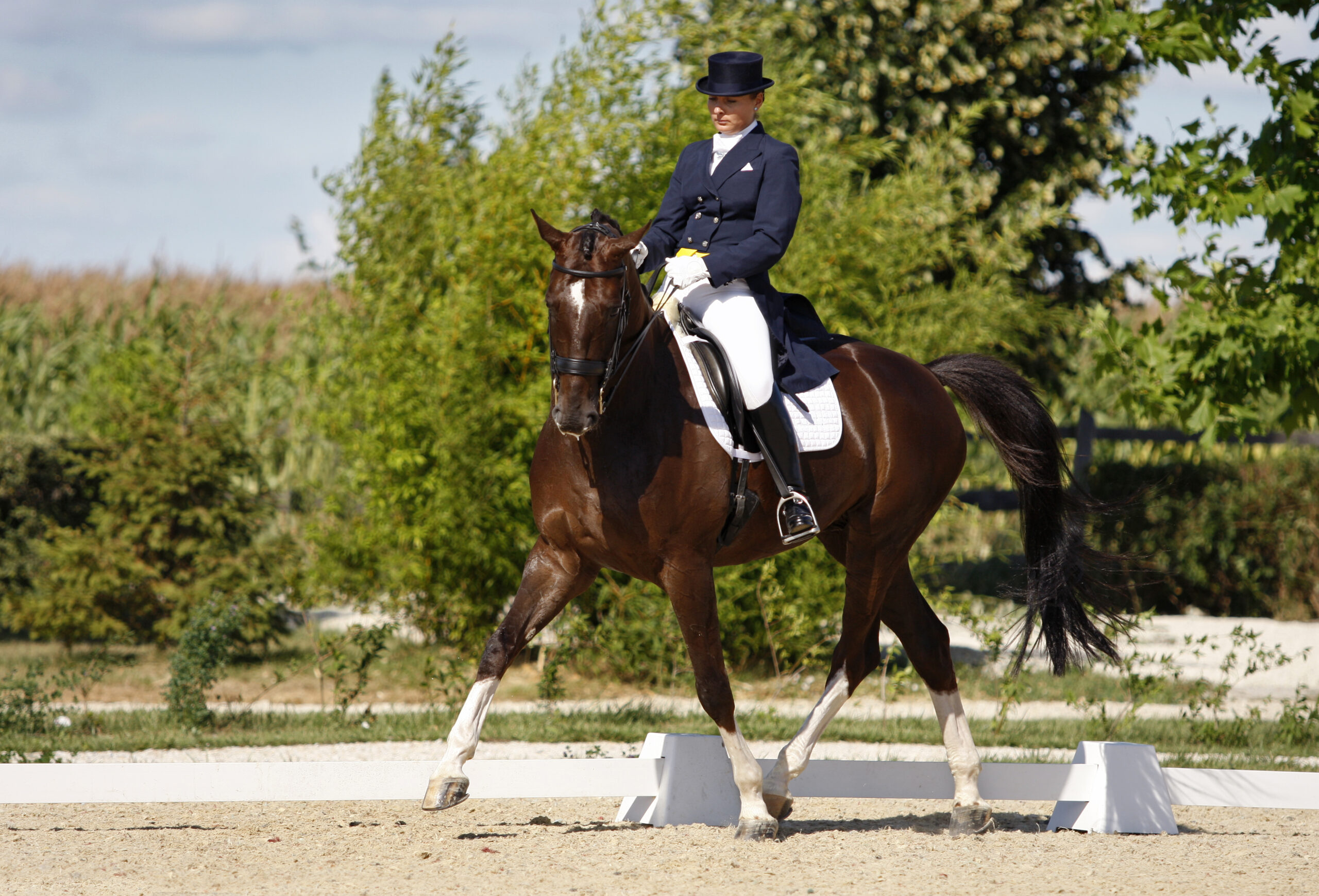
What should you pay attention to?
A well-fitting saddle is essential for the comfort and performance of both horse and rider. Still, it is not always obvious what exactly to look for. Even a small deviation can lead to pressure points, back problems or an unstable seat. That is why it is important to know how to assess whether a saddle truly fits well, and when it is time to involve a professional.
Why a good saddle fit makes such a big difference
A properly fitting saddle is much more than just the connection between you and your horse; it literally forms the foundation for riding smoothly. Yet in practice, issues often arise unnoticed. A horse that moves more cautiously, a rider who suddenly feels less stable, or subtle pressure marks after riding — all can be signs of a saddle that does not fit optimally. By recognizing these signals in time, you can prevent long-term problems.
A horse’s back is constantly changing. Through training, the horse develops more muscle, while periods of rest or reduced work can have the opposite effect. Seasonal changes also play a role; gaining or losing just a few kilos can already influence how a saddle sits. As a result, a saddle that fitted well yesterday may suddenly no longer sit quite right today.
Signals riders often miss
Horses communicate a great deal, but often in subtle ways. It takes some practice to learn to recognize these small signals. Think of a horse that is less willing to bend, braces against one rein, builds tension during girthing, or suddenly struggles with transitions into canter. Behavioral changes can also be telling: hollowing the back while grooming, being less eager to move forward, or a general change in motivation. Of course, clearer signals such as bucking or rearing may appear, but it is usually the small differences that — when noticed in time — can prevent a lot of discomfort and problems.
When in doubt, it is always wise to consult a professional saddle fitter, so you can be sure your horse is being ridden in a comfortable and well-fitting saddle.
What does a saddle fitter look at?
A professional saddle fitter looks beyond just the size of the tree. Important factors include:
- Saddle balance
- Pressure distribution and position on the back
- Channel width and panel flocking
- Saddle movement during walk and trot
In addition, the horse itself is assessed: conformation, muscle development, symmetry and any areas of sensitivity. Only when all these pieces come together does the saddle truly fit well.
How often should a saddle be checked?
The frequency depends on the horse’s age and training level, the type of saddle and the filling. As a general guideline:
- Adult horses ridden regularly: 1–2 times per year
- Young or growing horses: every 3–4 months
- Horses with significant changes in weight or muscle development: depending on the situation
Wool-flocked saddles can be adjusted in between, while foam-flocked saddles retain their shape better but are less adjustable. Both have their advantages, but regular checks remain essential.
Simple checks you can do yourself
You do not need to be an expert to get a first impression of saddle fit. A few simple checks can already tell you a lot:
- Place the saddle on the horse without a girth: does it sit stable, balanced, and without direct pressure on the withers?
- Does it stay in place when you gently push it, without sliding forward or backward?
- Can you feel sufficient clearance along the entire spine in the saddle channel?
- Does the saddle remain stable when the horse is moving?
These quick checks do not replace the work of a saddle fitter, but they can help you identify potential issues early.
Can one saddle fit multiple horses?
It does happen, but it is rarely ideal. Differences in shoulder width, topline, back length and muscle development quickly mean that a saddle will not fit both horses optimally. If in doubt, always have a professional assess the situation.
How rider position and training affect the saddle
A saddle may fit perfectly, but it is still only one part of the bigger picture. The way a horse is trained and how the rider sits in the saddle play an equally important role in how the saddle ultimately sits on the back. When a horse is loaded unevenly or the rider is not fully balanced, even a perfectly fitting saddle can still cause pressure points or asymmetry. That is why it is valuable not only to have the saddle checked, but also to regularly invest in good instruction and attention to your own posture. This directly contributes to a comfortable and stable saddle fit.
Conclusion
A well-fitting saddle is indispensable for a healthy, relaxed and comfortably moving horse. By paying attention to subtle signals, performing simple checks regularly and consulting a saddle fitter in time, you can prevent discomfort and ensure that you and your horse continue to train together with enjoyment.
Do you have any questions about this topic? Please contact us via veterinarian@vetsend.co.uk.