Service
Basket
Menu
BLACK FRIDAY: Up to 50% off various top brands such as Royal Canin and Hill's! Read more

Wasp stings in dogs

Written by Mara |

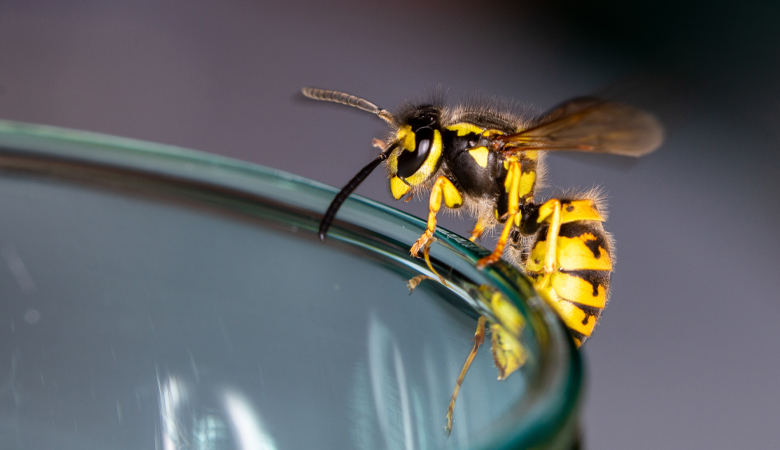
Those horrid, yellow and black, stinging critters? Yep, you guessed it: wasps. No one likes them, but they are very important for our ecosystem. In this blog, we’ll tell you all about what to do when your dog is stung by a wasp.

wasp on a flower

When are wasps most common?

Wasps are particularly common in August. During this month, they are especially active in their search for delicious sweet treats. August is also the month when young wasps spread their wings for the first time and venture out to explore the world.

What can you do to keep wasps away?

As you’ve already read, wasps are attracted to sweet things. Try to keep your sweet-smelling perfume, that glass of squash or that delicious fruit salad away from where you’re sitting. These are exactly the kinds of things that attract wasps.

Would you like to protect yourself and your dog from wasps naturally? You could place a small bowl containing cloves, vinegar, oranges, lemons or onions near your seating area in the garden or on the balcony. The strong smell of these products may keep wasps at a distance. However, always make sure the bowl is kept out of reach of dogs and children. Some of these foods, such as onions, can be harmful to dogs if eaten.

You can also use a spray. Make sure these products are always kept out of reach of dogs and children, and carefully follow the instructions for use. That way, you and your four-legged friend can enjoy relaxing outdoors together!
First aid for insect stings

My dog was stung by a wasp, what do I do?

There are several things you can do to minimise the reaction when your dog is stung by a wasp.

  • Step 1: check for stinger

Wasps can sting multiple times before losing their stinger. Check your dog’s skin for the stinger and remove it with a bank card or the back of a blunt knife.

  • Step 2: cool the skin

Just like in people, the sting will cause redness and swelling. This is easily minimised by placing a cooling element or an ice cube on the area of the sting. Don’t forget to wrap the cooling element in a towel when it’s too cold to put directly on your dog’s skin.

  • Step 3: observe

Unfortunately, a wasp sting can cause an allergic reaction in some dogs. The symptoms are similar to that of an allergic reaction in people. It’s important to observe your dog’s behaviour. Whether you should see a vet also depends on where your dog was stung.

  • Step 4: caring for the skin

To lessen redness and swelling even more, you could put some Hilton Herbs Virex Cream on the spot of the sting. Hilton Herbs Virex Cream is based on calendula and has a soothing and cooling effect on the skin.

When should you see a vet?

Was your dog stung in his mouth, the neck area or around his eyes? There’s an increased chance of swelling and it’s wise to take your dog to the vet. The swelling can cause difficulty breathing if your dog develops an allergic reaction.

Are you unsure whether you should see a vet? Always contact your own vet and they can help you decide the best course of action.

Do you have any question about wasp stings in dogs after reading this article? Contact our veterinary team at veterinarian@vetsend.co.uk.

Frequently asked questions about wasp stings in dogs

What should you do if your dog gets stung by a wasp?

Stay calm and check where your dog has been stung. Cool the affected area for approximately 5 to 10 minutes using a cold compress wrapped in a towel. Keep a close eye on your dog and contact a vet immediately if you notice severe swelling, breathing difficulties or any other unusual symptoms. If necessary, you can care for reddened skin with a product such as Maxani AtopOat Cream.

How long does swelling last after a wasp sting in dogs?

Mild swelling usually subsides within a few hours to one or two days. Is the swelling getting worse, does the area remain very painful or are other symptoms developing? If so, contact your vet.

Can you give your dog antihistamines after a wasp sting?

No, never give your dog antihistamines or other human medicines without veterinary advice. Not every medicine is suitable for dogs, and the correct dosage varies from animal to animal. Always consult your vet first.

Can dogs be allergic to wasp stings, and how can you recognise an allergic reaction?

Yes, dogs can also have an allergic reaction to a wasp sting. A wasp sting usually causes localised pain, redness and swelling. Your dog may lick, scratch or bite the affected area. If they have been stung on a paw, they may temporarily limp.

In the event of a severe allergic reaction, parts of the head may also swell, including the eyelids, cheeks and muzzle. Other symptoms may include vomiting, diarrhoea, weakness or breathing difficulties. Swelling can also develop in the throat, making it difficult for your dog to breathe.

This is an emergency! Contact a vet immediately if your dog shows signs of a severe allergic reaction.

What should you do if your dog has eaten a wasp?

Has your dog eaten a wasp? There is a risk that they may have been stung inside their mouth or throat. Contact your vet immediately, even if you cannot see any swelling yet. Swelling in the throat can obstruct breathing and become dangerous.

What is the difference between a wasp sting and a bee sting in dogs?

A bee usually leaves its stinger behind in the skin after stinging. A wasp generally retains its stinger and can therefore sting several times. Both insects can cause pain, swelling and allergic reactions.

Read our other blogs

More tips

Sign up for our newsletter

image (20)

About the author

Mara van Brussel-Broere, Veterinarian at Vetsend

Graduated as a companion animal veterinarian from Utrecht University, she uses her practical experience to advise customers and share knowledge at Vetsend. She finds it important to provide pet owners with clear information about health and wellbeing.

Read more about Mara