What should you pay attention to?
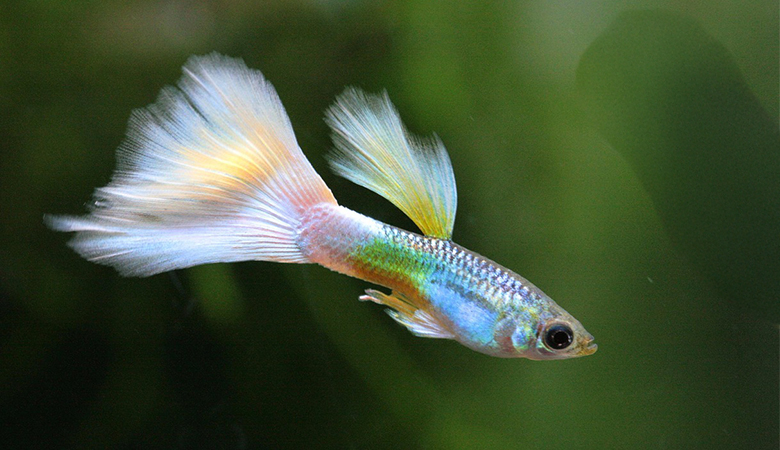
Guppies are calm and social aquarium fish that thrive best in a stable and relaxed environment. When setting up a community aquarium, it is important that other fish have similar requirements for temperature and water parameters. Guppies prefer warm water and do not cope well with constant disturbance or stress. Species that display aggressive or territorial behaviour can cause stress, which may affect both their health and their beautiful colours.
Fish that live well with guppies
Guppies are best combined with fish that have a calm temperament and do not grow too large. Fish that occupy their own space in the aquarium and leave guppies alone create a pleasant balance. It is also important that these species do not have a tendency to nip at the fins of other fish. When fish accept each other and respect each other’s space, a harmonious environment develops.
Examples include:
- Platies: social and active, but not pushy
- Mollies: similar water requirements and temperament
- Swordtails: provided the aquarium is large enough
- Corydoras (armoured catfish): bottom dwellers that leave guppies alone
- Otocinclus: peaceful and useful as algae eaters
Fish you should avoid keeping with guppies
Not all fish are suitable to live with guppies. Species known for dominant or restless behaviour may chase guppies or nip at their fins. Larger fish also pose a risk, as guppies may be seen as prey due to their size. This not only causes stress but can also lead to injuries or loss of fish.
Examples include:
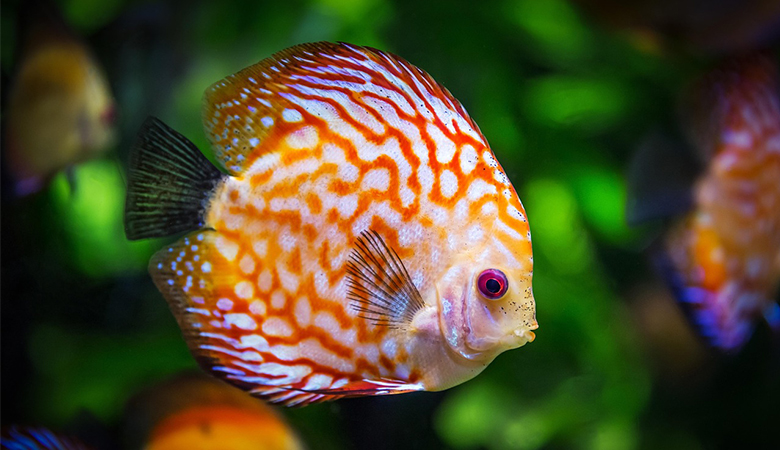
- Goldfish: may unintentionally chase or injure guppies, sometimes see smaller guppies as prey and produce too much waste
- Cichlids: are often too dominant and territorial
- Large catfish: often see guppies as prey
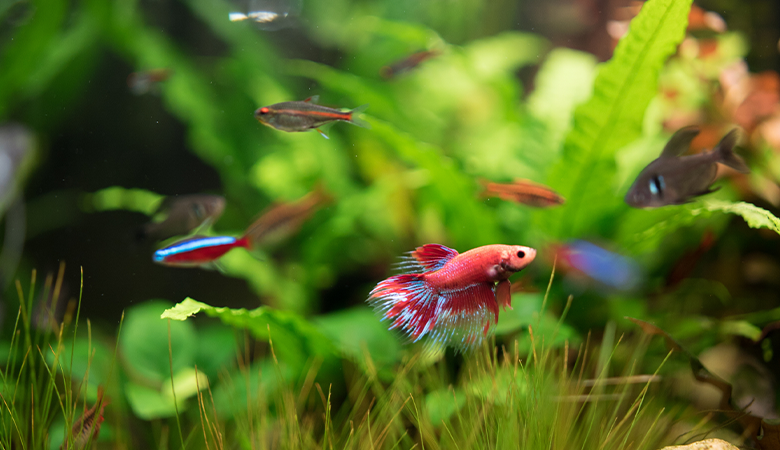
- Siamese fighting fish (Bettas): may react aggressively to brightly coloured guppies
- Tiger barbs: are known for fin nipping
Aquarium size and setup
The size and layout of the aquarium play a major role in the wellbeing of guppies. A spacious tank with plenty of plants gives fish the opportunity to retreat and creates natural divisions and hiding places. Plants, wood and decorations help reduce territorial behaviour and make the aquarium calmer. The better the setup, the smaller the chance of tension between the fish.
Male-to-female ratio in guppies
Guppies reproduce quickly and show clear courtship behaviour. Males may frequently chase females, and an incorrect ratio can cause stress. By keeping enough females per male, all fish have the space to display natural behaviour and the aquarium remains calmer.
As a guideline: keep 1 male to 2–3 females. This ratio spreads the male’s attention, so individual females are chased less. It reduces stress, prevents exhaustion and contributes to a balanced group dynamic. In a smaller or more crowded aquarium, it may even be better to keep more females than males – or to choose a group of females only.
Common mistakes when keeping guppies together
A common mistake is combining guppies with fish that do not match their behaviour or needs. A tank that is too small or adding many new fish at once can also cause problems. Guppies are sensitive to change, so a gradual introduction is important for their wellbeing.
Practical tips for a stable aquarium
Choose fish species carefully so they match well, introduce new fish step by step and monitor behaviour closely during the first weeks. By intervening in time when signs of stress or unrest appear, you can prevent problems. With the right choices and proper care, you can create a healthy and balanced aquarium in which guppies clearly feel at ease.
Guppies are therefore excellent inhabitants for a community aquarium, provided they are combined with the right fish species. By considering behaviour, size and tank setup, you lay the foundation for a calm and balanced aquarium where guppies and other fish can live together successfully.