Service
Basket
Menu
5% off supplements and medicines with code MEDSUP5 Read more

Why are grass awns dangerous for your dog?

Written by Anne |

Grass awns are difficult to avoid. Fields full of tall, wild grass with seed heads covered in tiny barbs. These barbs in particular can cause serious problems in both dogs and cats. In this article, you can read exactly what you can do to prevent problems caused by grass awns.
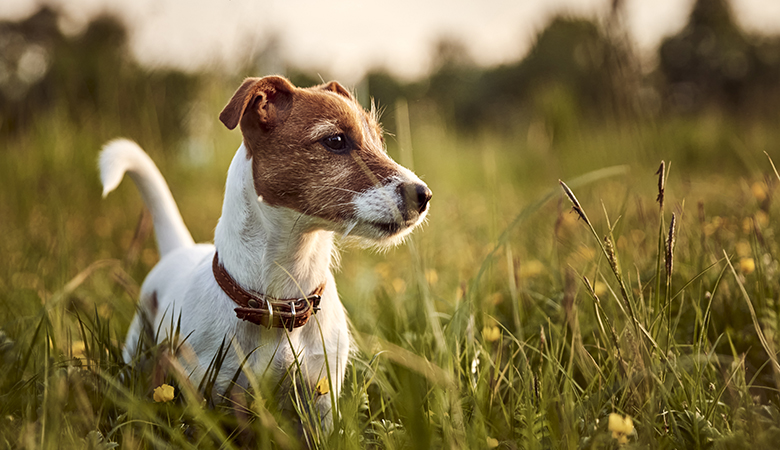
Why are grass awns dangerous for dogs?

Grass awns are also sometimes called creepers. This is because the seeds have tiny barbs. These allow the seeds to attach themselves to a dog walking past. They often do not remain in the coat, but begin to work their way further in. They can even penetrate the skin and travel underneath it, either emerging elsewhere or becoming encapsulated inside the body.

What are grass awns?

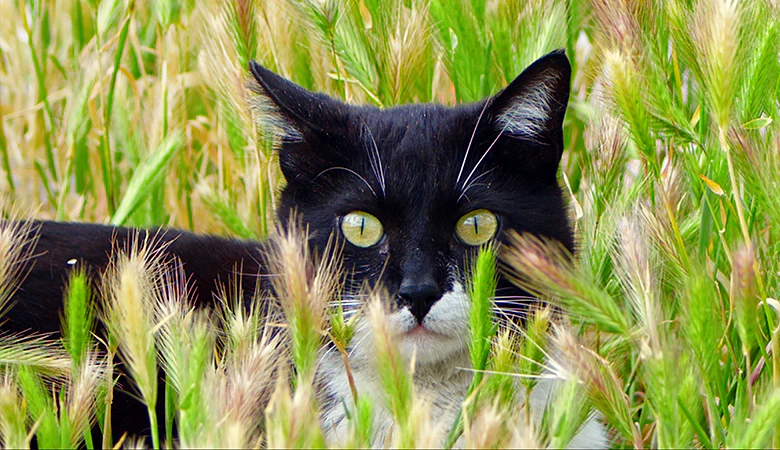
A grass awn forms part of the sharp seed head of a type of grass. The stiff seed heads found at the ends of long blades of grass are usually green. Once they have finished flowering and dried out, they turn yellow and fall apart easily. Grass awns can be found everywhere. You may come across them on verges and alongside grassy areas, but they can also grow between paving slabs.
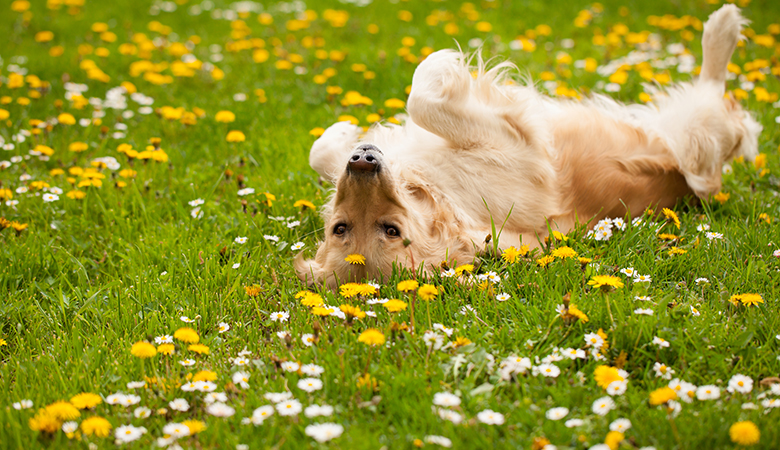
Check your dog for grass awns after every walk

Grass awns can become caught almost anywhere in the coat, but the places where they are most commonly found are:

  • In the ears: Grass awns can cause an ear infection, but they can also penetrate the eardrum and cause a middle ear infection.
  • Between the toes: They can penetrate the skin between the toes and travel underneath the skin.
  • In the eyes: They can pass behind the eyeball via the eyelids and form abscesses there.
  • In the nose or throat: If grass awns are inhaled or swallowed, they can become lodged in the nose or throat and cause symptoms. These may include sudden coughing, sneezing, a runny nose and nosebleeds.

How can you recognise possible symptoms of grass awns in dogs?

After walking your dog through long grass containing grass awns, it is always wise to check your dog thoroughly when you return home, just as you would check for ticks. A fine dog comb can help you inspect the coat properly. Use the tick card to remove any ticks you find. Pay particular attention to the ears and paws.

It is especially advisable to visit your veterinarian and mention that you have walked through long grass if your dog shows any of the following symptoms:

  • Shaking the head or scratching the ears
  • Suddenly limping after a walk or biting or licking the paws
  • Watery eyes or squinting
  • Suddenly sneezing or coughing, rubbing the head along the ground or moving a paw along the side of the head

It is not always immediately clear that a small piece of grass awn is causing the problem. A barb can break off and leave a tiny fragment behind. Even such a small piece can cause problems. Grass awns do not disappear on their own. The longer you wait, the deeper a grass awn can travel and the more serious the problems can become. It will also become increasingly difficult to locate and remove the grass awn. Do not wait too long if you suspect one may be present.

Do you still have questions about grass awns? Contact our veterinary team at veterinarian@vetsend.co.uk.

Relevant products