Service
Basket
Menu
5% off snacks with code SNACKS5 Read more

The best plants for bees and butterflies in your garden

Written by Meanne | Content Specialist |

Bees and butterflies play an important role in nature. They pollinate flowers and plants, allowing fruit, vegetables and seeds to grow. Yet the number of pollinating insects has been declining for years, partly due to habitat loss, fewer flowering plants and the use of pesticides. With the right plants, you can make your garden or balcony an attractive place for bees and butterflies. In this blog, you can read why bees and butterflies are so important, why their numbers are declining and which plants you can choose to make your garden more attractive to these pollinators.
Why are bees and butterflies important?

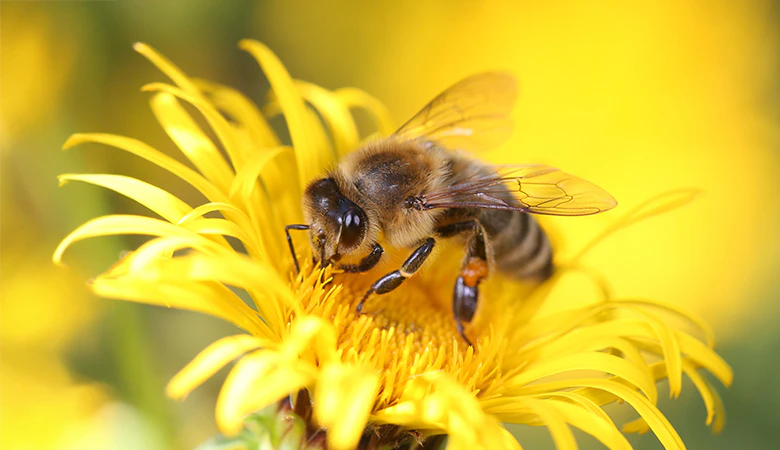
Bees and butterflies are important pollinators. While searching for nectar and pollen, they carry pollen grains from flower to flower. This allows plants, trees and flowers to reproduce, producing fruit and seeds. Many types of fruit and vegetables depend on pollination. Pollinators also play a major role in biodiversity. Flowering plants are a food source for various insects, birds and other animals. When there are fewer bees and butterflies, this affects the entire food chain and the variety of plants and animals in nature. It is not only large gardens that can make a difference. A balcony or small outdoor space with flowering plants can also provide food and shelter for pollinating insects.
Products for your garden

Why is there a shortage of bees and butterflies?

In recent years, the number of bees, butterflies and other pollinating insects has declined. This is partly because there are fewer and fewer natural habitats with enough flowers, nectar and pollen. Paved gardens, intensively mown lawns and the use of pesticides also make it harder for insects to find food and shelter. Climate change and extreme weather conditions also affect pollinators. Long dry periods or heavy rainfall can cause flowers to bloom less well or make it harder for insects to find food. This creates a vicious cycle: fewer flowers lead to fewer pollinators, while plants need pollination in order to reproduce. By adding more flowering plants to your garden and making room for biodiversity, you can help bees and butterflies find food, shelter and nesting opportunities.

How do you make your garden attractive to bees and butterflies?

With the right plants and a natural layout, you can make your garden or balcony an attractive place for bees and butterflies. Pollinators need nectar, pollen, shelter and places to nest or overwinter. By combining different types of flowers and plants, you can help insects find food throughout much of the year.

Choose plants with different flowering periods

Make sure something is flowering in your garden from early spring through to autumn. Early-flowering plants such as crocus, winter heath and willow provide food when few other flowers are available. In summer, lavender, catmint, wild marjoram and vervain attract many bees and butterflies. Late-flowering plants such as ivy, stonecrop and Michaelmas daisy are especially important in autumn.

The best plants for bees

Bees mainly look for plants with plenty of nectar and pollen. Lavender, borage, wild marjoram, oregano, thyme and field scabious are popular choices. Native plants are also valuable, as they suit the needs of wild bees and bumblebees well.

The best plants for butterflies

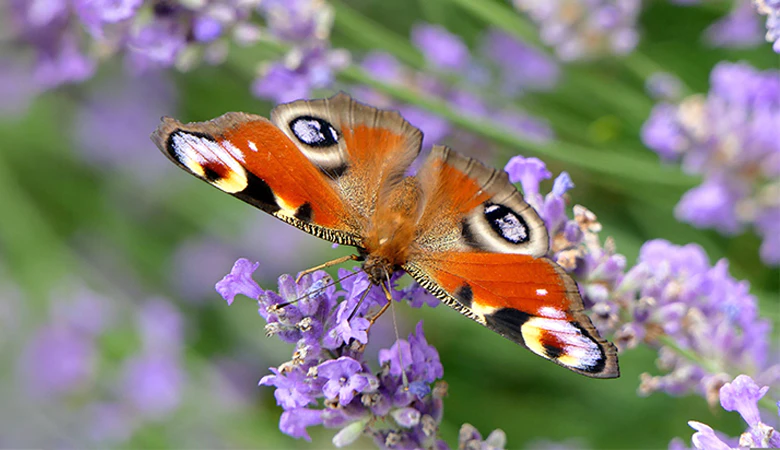
Butterflies like sunny spots with nectar plants. Butterfly bush, vervain, catmint, lavender and hemp agrimony attract various butterfly species. Some butterflies also need host plants for caterpillars to live on, such as nettles or various cruciferous plants.

Provide shelter and nesting places

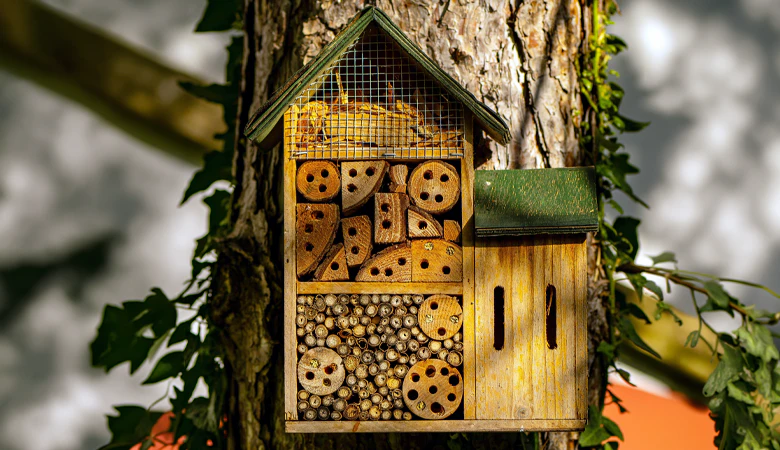
Flowers are not the only important factor. Bees and butterflies also need resting places and shelter from wind and rain. A natural garden with different heights, a hedge, some dead wood or an untidy corner helps insects take shelter and overwinter. Therefore, leave faded plants and leaves in place as much as possible during winter.

Avoid pesticides

Chemical pesticides can be harmful to pollinating insects. It is therefore best to choose organic or unsprayed plants and avoid using poison in your garden. This makes your garden safer for bees, butterflies and other beneficial insects.

Also read our other blogs

More tips