Service
Basket
Menu
Discover our top deals on Hill’s with up to 30% off Read more

How do you create an insect-friendly garden?

Written by Meanne | Content Specialist |

Insects play an important role in your garden and contribute to the health of plants, soil and biodiversity. At the same time, insect numbers are declining, which affects the balance of nature. In this blog, you can read why insects are indispensable, what happens if they disappear, and how to make your garden more attractive to these useful animals. You will also discover what you should avoid and how to create an insect-friendly garden step by step.
The role of insects in your garden and why they matter

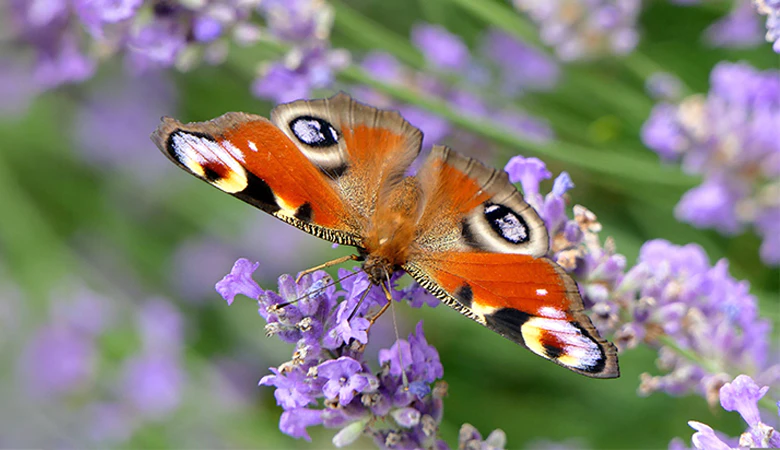
Insects play an important role in keeping your garden healthy. Bees, butterflies and other insects provide pollination, allowing plants to reproduce and produce flowers, fruit and seeds. Insects also help maintain the natural balance. Some species feed on insects that can be harmful to plants, contributing to a natural form of pest control. In the soil too, insects and other small animals make an important contribution. They break down organic material and help keep the soil airy, allowing plants to grow better and absorb nutrients more easily. Insects are also an important food source for other animals, such as birds and bats. Finally, they contribute to biodiversity in your garden. A garden with different kinds of insects, plants and animals is more resilient and better able to cope with disturbances, such as pests or changing weather conditions. This helps keep your garden healthier and more balanced.
Products for your garden

What happens if there are fewer insects?

When insect numbers decline, this has direct consequences for the balance in your garden. Plants are pollinated less effectively, making it harder for them to reproduce and resulting in fewer flowers, fruit and seeds. The natural balance is also disrupted. Because there are fewer insects that eat harmful species, pests can develop and spread more quickly. This can lead to more damage to plants. In addition, the decline in insects affects other animals. Birds, bats and other animals depend on insects as a food source. Fewer insects therefore also means less food for these animals. Finally, biodiversity declines. A garden with fewer insect and animal species is less resilient and more sensitive to disruption.

How do you recognise and create an insect-friendly garden?

An insect-friendly garden can be recognised by its green and varied layout. It contains a range of plants, shrubs and flowers that bloom at different times, allowing insects to find food throughout the year. There are also plenty of places to shelter. Think of areas with leaves, branches or dense planting where insects can hide or hibernate. A garden that is not kept too neat also offers more space for insects to live. To make your garden attractive to insects, it is important to provide enough food, water and nesting places. You can do this by choosing native and nectar-rich plants, spreading flowering plants across the seasons and creating variation in height and type of planting. Water also plays a role. A pond or even a simple water dish can be enough to attract insects. By also creating places where insects can nest, such as untidy corners, wood piles or an insect hotel, you can make your garden even more attractive.

What should you avoid in an insect-friendly garden?

In an insect-friendly garden, it is important to avoid certain choices. The use of chemical pesticides, for example, has a major impact. These products kill not only harmful insects but also beneficial species, and they can spread into the soil and food chain. A garden that is kept too tidy is also less suitable for insects. A completely neat lawn, closely mown grass and the removal of leaves and branches mean insects have fewer places to shelter, live or hibernate. In addition, a garden with lots of paving and little greenery can limit insect numbers. Plants and flowers are an important food source, and without enough variety and blooms, insects have less chance to establish themselves. Finally, it is better to limit disturbance as much as possible. Think of frequent mowing, intensive pruning or the use of artificial light in the garden, all of which can affect the natural rhythm of insects.

Making your garden insect-friendly step by step

If you want to make your garden insect-friendly, you can take it step by step. Start by looking at your current garden. See which plants are already there and where there is still room for more variety or extra greenery. You can then decide which changes are needed. Pay attention to the light conditions in your garden and choose plants that suit them. By varying species and flowering periods, you ensure that insects can find food throughout the year. You can then add elements to your garden that support insects. Think of adding flowering plants, creating shelter with branches or leaves, and providing water, for example with a bowl or pond. Finally, it is important to maintain your garden in a natural way. Leave some parts of the garden a little less neat, mow less often and avoid the use of harmful products. By working with nature, you naturally create an environment where insects feel at home.

Also read our other blogs

Squirrels

Feeding squirrels: what can they eat and what should they avoid?

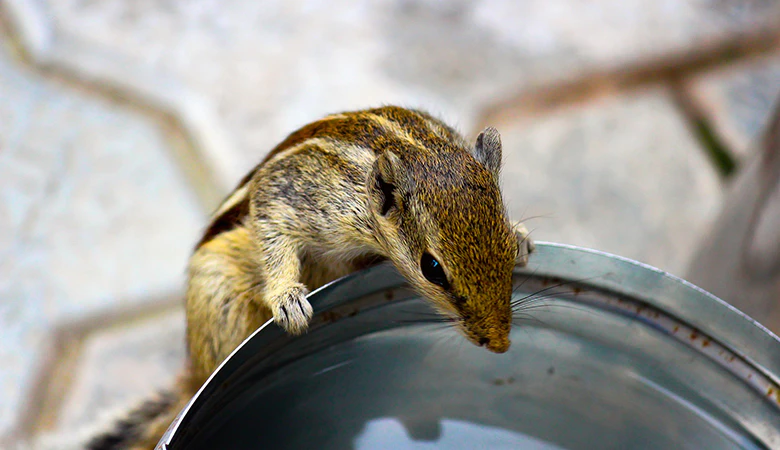
Squirrels regularly appear in gardens, especially in autumn when they are busy gathering food for the winter. Because they are more visible during this period, they are also often given extra food. Not all food is suitable to give them, however, and an incorrect diet can affect their health and natural behaviour. In this blog, you can read about what squirrels naturally eat, which foods you can and should not give them, and what to keep in mind if you want to feed them in your garden. This way, you can help squirrels responsibly without disturbing them.

garden birds

The top 10 garden birds

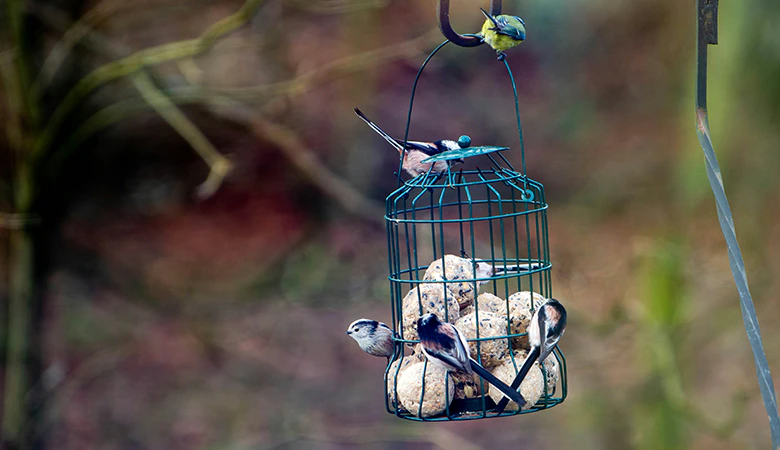
In gardens, a number of bird species are spotted clearly more often than other species. These birds are among the most common garden birds. Every year, garden birds are counted to gain insight into how birds use gardens. With this information, birds can be better protected and supported. Based on these counts, we have listed the most popular species. In this blog, you can read which garden birds these are and how to recognise them.

Blackbird

Found a young blackbird? Here’s what you should (and shouldn’t) do!

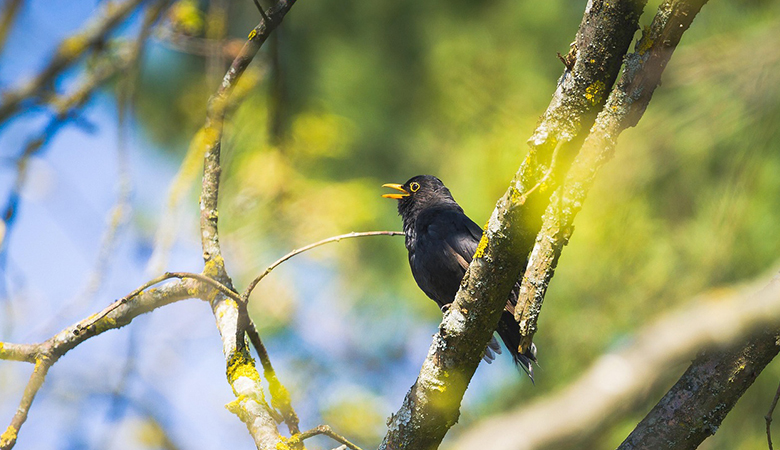
In spring and early summer, many young blackbirds are found in gardens, parks and on the streets. They are often sitting on the ground, cannot yet fly well and may look helpless. Many people therefore assume the chick has fallen from the nest and needs help. However, this is often not the case. In this blog you can read how blackbirds raise their young, why young blackbirds are often found on the ground, and when you should (or should not) intervene.

More tips