Service
Basket
Menu
25% off Hill’s with Vetsend Repeat code: HILLS25 Read more

Feather plucking in parrots

Written by Mara | Dierenarts |

Feather plucking is one of the most common and concerning problems in parrots. This behaviour, where a bird pulls out or damages its own feathers, is not only distressing to see but often indicates an underlying issue. Although it is frequently seen as purely a behavioural problem, the reality is more complex. Feather plucking usually arises from a combination of physical and psychological factors.
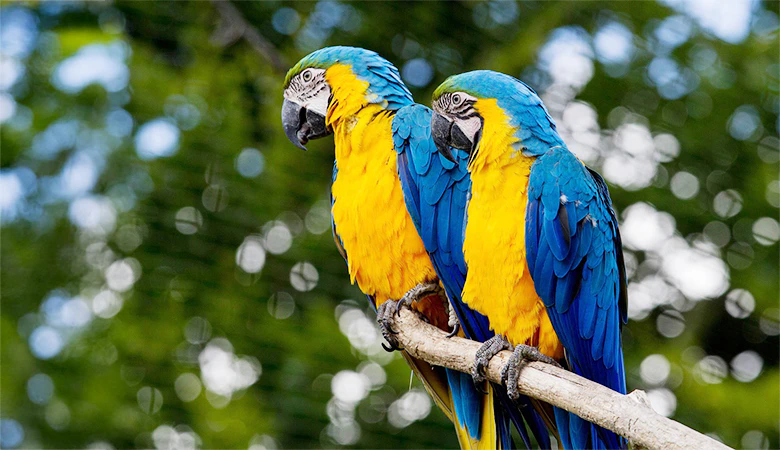
2 macaws on a branch

What is feather plucking?

With feather plucking, a parrot actively pulls out its feathers, often on the chest, legs or under the wings. In severe cases, this can lead to bald patches or even wounds. According to research by behavioural experts such as Dr Yvonne van Zeeland from Utrecht University, this behaviour can be compared to compulsive behaviour in humans. It can be a way of coping with stress, frustration or a lack of stimulation.

Feather plucking occurs worldwide in parrots, and much research is still needed to fully understand all causes. It is clear that the bird’s wellbeing can be seriously affected.
Relevant products

Boredom is an important cause

Parrots are naturally highly intelligent and active animals. In the wild, they spend a large part of their day foraging for food, flying and engaging in social interaction. In a home environment, many of these natural activities disappear, which can lead to boredom and frustration.

If a parrot receives too little mental stimulation, it may compensate with problem behaviour such as feather plucking. That is why it is essential to prevent boredom. Read more in our blog: How do you prevent boredom in birds?

Food enrichment for your parrot

An effective way to combat boredom is food enrichment. This means offering food in a way that stimulates natural foraging behaviour. Instead of simply placing food in a bowl, you let a parrot “work” for its food.

Food enrichment can reduce stress and help prevent or reduce feather plucking. For example, you can hide food in toys, offer different textures such as a gnawing stick, or spread food around the cage. This ensures that a parrot stays occupied for longer and is mentally stimulated.

Foraging toys as a mental challenge

In addition to food enrichment, suitable toys also play an important role. Foraging toys are specially designed to keep parrots actively engaged. They challenge them to solve puzzles or make an effort to access food.

By regularly varying toys, you keep things interesting and prevent your parrot from becoming bored. Take a look at our range of toys for birds. The right toys can make a big difference to your bird’s daily wellbeing.

Always rule out medical causes

Although behaviour plays a major role, it is important to first rule out physical causes. Bald patches or damaged feathers can also be caused by other issues. Consider nutrient deficiencies due to an incorrect diet, parasites such as mites, skin infections or other diseases.

That is why it is advisable to consult a vet first when dealing with feather plucking. Only when medical causes have been ruled out can you address the problem as behavioural.

A broad approach is essential

Reducing feather plucking requires a comprehensive approach. Improving the living environment, providing sufficient stimulation and optimising nutrition are all important steps. By observing carefully and making adjustments step by step, you can significantly improve your parrot’s wellbeing.

Feather plucking is therefore not a simple problem, but with the right attention and approach, improvement is often possible.

Do you have any questions about feather plucking in parrots? Please contact us via veterinarian@vetsend.co.uk.

Sign up to our newsletter

Also read our other blogs

More tips
image (20)

About the author

Mara van Brussel-Broere, Veterinarian at Vetsend

Graduated as a companion animal veterinarian from Utrecht University, she uses her practical experience to advise customers and share knowledge at Vetsend. She finds it important to provide pet owners with clear information about health and wellbeing.

Read more about Mara