Service
Basket
Menu
Up to 30% off during the Spring Deals Read more

How do you prepare your horse for a competition or event?

Written by Carmen | Paraveterinair |

A competition or event requires preparation not only from the rider, but certainly also from the horse. Good preparation helps reduce stress, prevent injuries and perform at your best. Whether you are going to a dressage competition, show jumping event, endurance ride, inspection or recreational event: a calm and well-considered approach makes a big difference.

Start preparing in good time

A good competition day does not start on the morning itself. Ideally, you should start preparing several days to weeks in advance. Make sure your horse is physically fit and has had enough training that matches the level of the competition. Avoid heavy or intensive training sessions shortly before the event, so the muscles have enough time to recover.

Also check in good time:

  • Vaccinations and any required documents
  • Passport and start card
  • Trailer or means of transport
  • Competition clothing and equipment
  • Route and departure time

Checking this in advance helps prevent last-minute stress.

Maintain a stable routine

Horses are creatures of habit. Major changes in feeding, training or housing shortly before an event can cause unrest. Therefore, keep to the normal routine as much as possible.

Pay extra attention to:

  • Sufficient roughage
  • Good hydration
  • Regular exercise
  • Enough rest

Do not give new supplements or hard feed shortly before a competition without first testing how your horse reacts to them.

Practise transport and new situations

Not every horse is naturally relaxed during transport or in unfamiliar surroundings. If your horse has little experience with competitions, it is wise to practise beforehand.

Think of:

  • Calm loading and unloading
  • Short trips with the trailer
  • Training at a different location
  • Getting used to crowds, music or loudspeakers

A horse that is confident with transport and new environments will often stay calmer on competition day.
Relevant products

Check the equipment carefully

Poorly fitting or damaged equipment can cause discomfort and affect performance. Therefore, check the following in advance:

  • Saddle and girth
  • Bridle
  • Bit
  • Protective boots
  • Trailer safety

Pay attention to feeding and hydration

During events, horses often lose more fluid due to tension, travel and exertion. Make sure your horse drinks enough, both at home and on location.

Some practical tips:

  • Take your own water if your horse is fussy about drinking
  • Provide enough hay during transport
  • Do not feed large amounts of hard feed immediately before exertion
  • Pay extra attention to electrolytes and fluid balance in warm weather

Never change feed abruptly shortly before an important day.

Take mental tension into account

Some horses become very excitable or tense at a competition venue, while others become insecure. Try to stay as calm as possible yourself; horses respond strongly to their rider’s tension. Some horses benefit from a supplement to support them during unrest. NAF Instant Magic is very suitable for use at competitions.

What can help:

  • Leave on time
  • Warm up calmly
  • Do not wait too long in busy areas
  • Bring familiar items
  • Use a fixed warm-up routine

Do not force anything if your horse becomes overstimulated. A positive experience is more important than immediate results.

Care and presentation

A well-groomed horse not only makes a good impression, but also helps you notice small wounds, swellings or sensitivities in time.

Think of:

  • Brushing and picking out the hooves
  • Washing the day before if needed
  • Neatly caring for the tail and mane, possibly plaiting or knotting the mane
  • Checking for wounds or heat in the legs

Preferably do not plan extensive grooming shortly before departure, to avoid unrest.

Make a checklist

A checklist helps prevent important items from being left at home. Commonly used items include:

  • Passport with valid vaccinations
  • Haynet
  • Water bucket
  • Grooming supplies
  • Spare clothing
  • Gloves
  • Start numbers
  • First aid kit for horse and rider
  • Extra rope and headcollar

By preparing everything the evening before, you can leave more calmly and in a more organised way.

Listen to your horse

The horse’s welfare always comes first. Pay close attention to signs of fatigue, stress or discomfort. A horse that does not feel fit, has a fever or clearly shows tension will benefit more from rest than from taking part. In addition, sick or unfit horses are not approved at many competitions and events during a possible veterinary check. If a veterinary check takes place, participation may be refused if the horse shows signs of illness, lameness or reduced condition.

A successful competition day is not only about performance, but also about trust, safety and enjoyment for both horse and rider.


Sign up for our newsletter

Also read our other blogs

Horse standing in a meadow

Horse worms and deworming schedules: How do you keep your horse healthy?

Worms occur in almost every horse. In small numbers this is usually not a problem, but heavy burdens can lead to serious health issues, from weight loss to colic. Fortunately, with the right approach and regular monitoring you can keep the worm burden low and keep your horse healthy. In this blog we explain which worm species are most common, how to set up a responsible deworming schedule and why faecal testing and pasture management are essential.

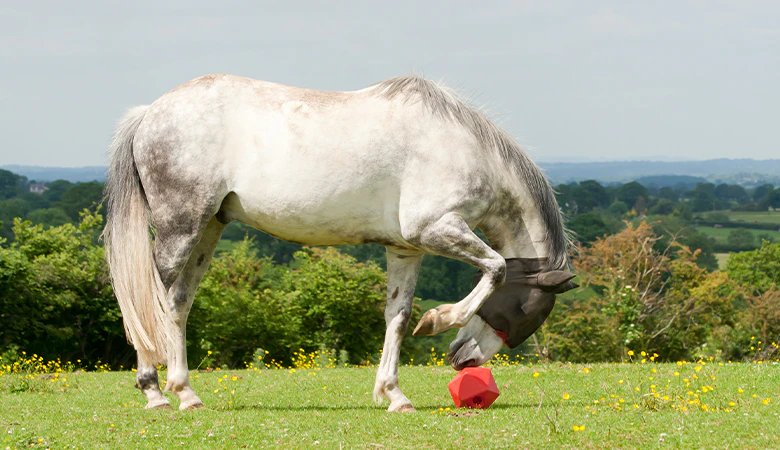
horse with snack ball in the pasture

DIY: How to make your own horse toys for mental stimulation

Boredom in horses is often underestimated. A horse that receives too little stimulation can become bored, destructive, start weaving, or develop other unwanted habits. Fortunately, mental stimulation does not have to be complicated or expensive at all. With simple materials that you often already have at home or in the stable, you can create surprisingly fun horse toys yourself. In this blog, we share creative DIY ideas that allow you to challenge and entertain your horse safely.

horses in the meadow

How do you choose the right supplement for your horse?

Whether you’re training a young sport pony, supporting a senior mare or have a horse that just needs a little extra help, the range of supplements is so large that it’s easy to lose track. From magnesium to herbal blends, from joint formulas to skin and respiratory support, what does your horse really need? In this blog I’ll help you discover step by step how to choose the right supplement, when supplements are useful and what to look out for to support safely and with focus.

More tips
Team-veterinair_72_footer

About the author

Carmen, Veterinary Nurse at Vetsend

Carmen is a veterinary nurse and an expert in animal health at Vetsend. With her many years of experience, she provides clear and reliable advice to pet owners. She regularly shares informative articles on nutrition, behaviour, and preventive care. Discover Carmen’s tips for a healthy and happy pet on Vetsend.

Read more about Carmen