Service
Basket
Menu
Up to 30% off during the Spring Deals Read more

Molting in Birds

Written by Mara | Dierenarts |

Have you suddenly noticed more feathers on the bottom of the cage? Or does your bird look a little untidy in its feathers? There’s a good chance your bird is molting. Molting is a normal and important process, but it can sometimes be confused with other problems. In this blog, we explain exactly what molting is, how you can support your bird, and when you should be alert.
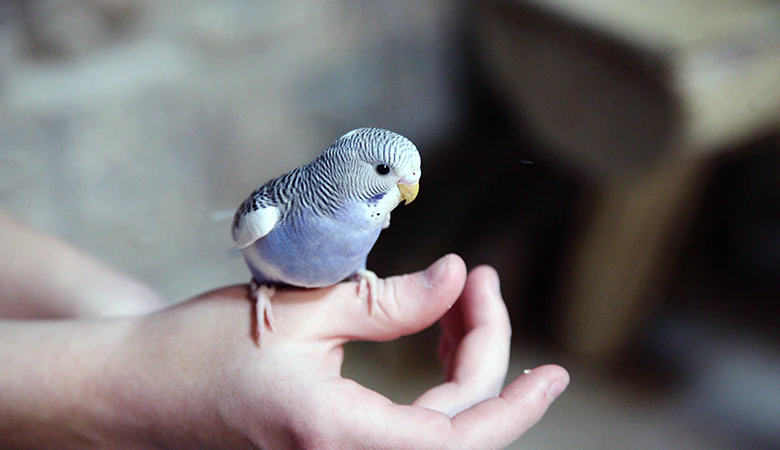
Budgie sitting on a hand

What is molting?

Molting is the natural process in which birds replace their old feathers with new ones. Feathers wear out through use, sunlight, and daily activity. By molting regularly, birds keep their plumage in good condition.

Most birds molt once or twice a year, usually during spring and autumn. In pet birds kept indoors, this may be less clearly linked to the seasons because of artificial lighting and a constant indoor temperature.
Relevant products

How can you recognise molting?

During molting, you may notice the following:

  • more loose feathers in the cage
  • a duller or messier-looking plumage
  • new “pin feathers” (growing feathers)
  • sometimes more scratching or preening

Some birds may also become a little more sensitive or tire more quickly during molting. This is because growing new feathers requires a lot of energy.

How can you support your bird?

During molting, your bird needs extra support. Good nutrition and care can really make a difference.

Make sure your bird has:

  • a balanced diet with enough protein and vitamins
  • rest and as little stress as possible
  • a clean living environment
  • additional support if needed

When is it not molting?

Not all feather loss is normal. It is important to distinguish between molting and other causes of bald patches or feather loss.

Feather plucking

A common cause of bald patches is feather plucking. This is often behavioural and may develop because of:

  • boredom
  • stress
  • too little social interaction

Read more in our blog Feather Plucking in Parrots.

Poor nutrition

A deficiency of essential nutrients can lead to:

  • poor feather quality
  • breaking feathers
  • bald patches

Birds have specific nutritional needs, and an unbalanced diet can quickly cause problems.

Illness or parasites

Sometimes the cause is a medical condition, such as:

  • skin infections
  • parasites (for example mites)
  • internal health problems

If your bird develops bald patches without new feathers growing back, or if the skin looks red or irritated, it is wise to consult a veterinarian.

When should you be concerned?

Contact a veterinarian if you notice that:

  • your bird develops large bald patches
  • no new feathers are growing back
  • your bird injures itself
  • the skin is red, flaky, or inflamed
  • your bird becomes lethargic or eats less

Molting is a normal and necessary process for birds, but it does require extra attention and support. By providing good nutrition, rest, and possibly additional products, you can help your bird get through this period more comfortably.

However, stay alert: not all feather loss is caused by molting. If in doubt, it is always wise to look further into possible causes such as feather plucking, nutrition, or illness. This helps ensure your bird stays healthy and in top condition.

Do you still have questions about molting in birds? Please contact us via veterinarian@vetsend.co.uk.

Sign up for our newsletter

Read our other blogs as well

More tips
image (20)

About the author

Mara van Brussel-Broere, Veterinarian at Vetsend

Graduated as a companion animal veterinarian from Utrecht University, she uses her practical experience to advise customers and share knowledge at Vetsend. She finds it important to provide pet owners with clear information about health and wellbeing.

Read more about Mara