Service
Basket
Menu
Enjoy 15% off on Trovet this week Read more

Parasites in Sheep: How to Prevent Problems in the Flock

Written by Mara | Dierenarts |

Parasites are one of the biggest health risks in sheep. Some infections occur without obvious signs, while others can lead to diarrhoea, weight loss, lameness or even death. A good prevention strategy is therefore essential, especially during lambing season and the grazing period. In this blog, you will learn which parasites occur in sheep and how you can prevent problems in your flock.
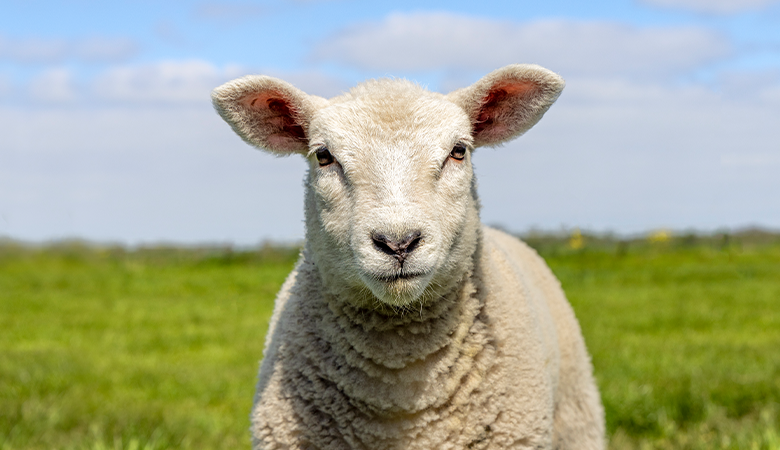
Sheep in the meadow looking into the camera

Internal parasites (worms)

The most common parasites in sheep are gastrointestinal worms. Lambs in particular are susceptible.

Barber’s pole worm (Haemonchus contortus)

This is one of the most important worm species in many European countries. This worm feeds on blood in the abomasum and can cause severe anaemia. Animals may suddenly become weak without showing obvious diarrhoea.

Other gastrointestinal worms

Other gastrointestinal worms that occur in sheep include:

  • Teladorsagia and Trichostrongylus: these worms can cause diarrhoea and reduced growth.
  • Nematodirus: mainly affects young lambs in spring and can cause severe diarrhoea.

Liver fluke

Liver fluke mainly occurs on wet pastures. The parasite damages the liver and causes weight loss, reduced resistance and production losses (less milk, poorer wool quality or reduced meat production). Vigilance is particularly important in wet areas. Read more about this in our blog Liver fluke in sheep: recognition, prevention and treatment.

Regular faecal examinations help monitor the infection pressure of internal parasites. Read everything about worms in sheep in our blog Deworming sheep.
Relevant products

External parasites

Besides worms, sheep can also suffer from external parasites such as:

  • Mange mites
  • Lice
  • Ticks

These parasites can cause itching, restlessness, skin damage and reduced condition.

Parasites and the lambing period

During the lambing period, the resistance of ewes temporarily decreases. This increases the shedding of worm eggs (the so-called “periparturient rise”). As a result, the infection pressure for lambs increases.

Important during this period:

  • Good hygiene in the stable
  • Dry, clean bedding areas
  • Timely moving of ewes with lambs to fresh pasture
  • Monitoring lambs for signs of diarrhoea

Good colostrum intake also supports the immunity of newborn lambs. Read more in our blog Lambing season: what should you pay attention to?.

Grazing management: the basis of prevention

A smart grazing plan is crucial to limit worm problems.

  • Before 15 June: move to clean pasture every 3 weeks
  • After 15 June: every 10–14 days

Clean pasture means that sheep have not grazed there for at least 3 months or that the field has been cut for hay or silage. Strategic pasture rotation prevents lambs (and sheep) from ingesting large numbers of infective larvae.

Targeted deworming

Routine deworming is discouraged because it promotes resistance.

Important principles:

  • Treat only based on faecal examination results
  • Use the correct dosage
  • Check treatment effectiveness with a faecal test after 10–14 days
  • If possible, leave a portion of the animals untreated (refugia)

Resistance is irreversible. Careful and responsible use of deworming products is therefore essential.

Vaccination and resistance

Although vaccination does not protect against worms, a good vaccination programme contributes to strong overall immunity.

Vaccinations against diseases such as Clostridium, Q fever and foot rot help prevent other health problems. A healthy sheep can better cope with parasite pressure.

Hoof health and parasites

Wet conditions increase not only the risk of liver fluke but also hoof problems such as foot rot. Poor hoof health reduces resistance and makes animals more susceptible to other infections.

Regular hoof checks and dry walking areas help limit problems. Read more in our blog The importance of hoof care in sheep.

Hygiene in and around the stable

In addition to the measures above, hygiene in and around the stable is very important. Pay attention to the following points:

  • Keep bedding areas dry
  • Remove manure regularly
  • Avoid muddy conditions
  • Ensure good ventilation

A clean living environment significantly reduces infection pressure.

Parasites in sheep cannot be completely prevented, but good management can greatly reduce problems.

The most important pillars are:

  • Smart grazing management
  • Targeted faecal testing
  • Responsible deworming
  • Good hygiene
  • Strong overall resistance
  • Extra vigilance during the lambing period

By working preventively, you protect not only the health of your animals but also the long-term sustainability of your farm or hobby flock.

Sign up for our newsletter

Read our other blogs

More tips
image (20)

About the author

Mara van Brussel-Broere, Veterinarian at Vetsend

Graduated as a companion animal veterinarian from Utrecht University, she uses her practical experience to advise customers and share knowledge at Vetsend. She finds it important to provide pet owners with clear information about health and wellbeing.

Read more about Mara