Parrot fever in birds: symptoms, infection and risks for people
Written by Mara |
Parrot fever is a contagious disease that can be dangerous not only for birds, but also for people. The disease is also known as psittacosis or ornithosis and is caused by the bacterium Chlamydia psittaci. Because this disease can be transmitted from animals to people, parrot fever is taken seriously. In Europe, the disease must be reported to the food and consumer product safety authority.
What is parrot fever?
Parrot fever is a bacterial infection caused by Chlamydia psittaci. The bacterium occurs mainly in birds and can cause respiratory problems and general signs of illness.
The name “parrot fever” is somewhat misleading, because not only parrots can become infected.
Which birds can become infected?
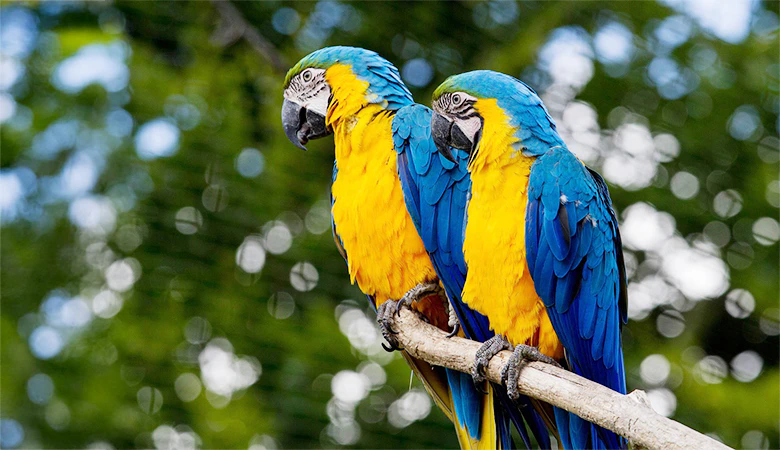
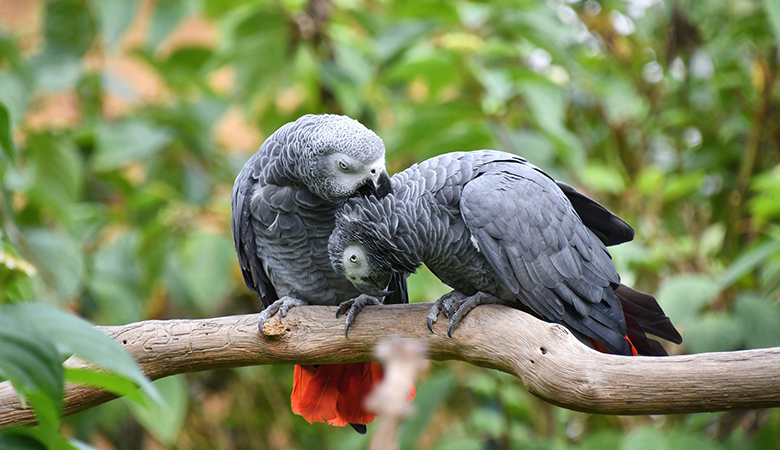
Many different bird species can become infected with Chlamydia psittaci, including:
- parrots
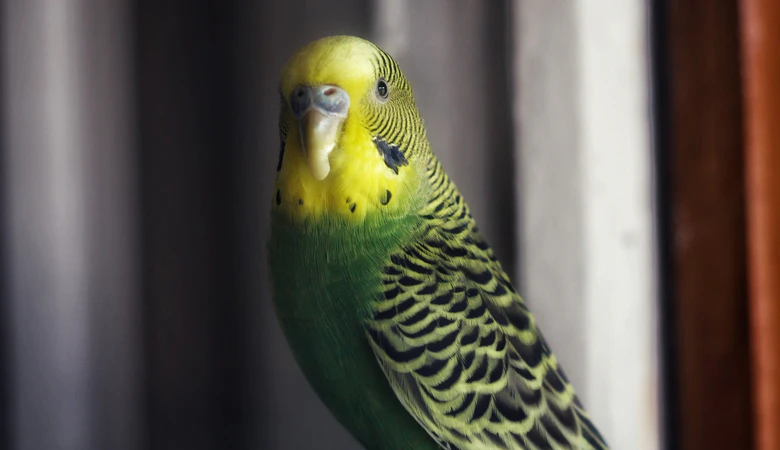
- budgerigars
- pigeons
- chickens
- canaries
- aviary birds
- birds of prey
Some birds become seriously ill, while others show hardly any symptoms but still spread the bacterium.