Service
Basket
Menu
5% off Medicines and Supplements with code MEDSUP5 Read more

Removing a tick from a cat: how to do it safely

Written by Mara | Dierenarts |

Cats can get ticks too, especially cats that go outdoors. Ticks often hide around the head, neck or ears and can transmit diseases. That is why it is important to remove a tick from your cat as quickly and safely as possible. In this blog, you will read how to remove a tick, what you can do if your cat resists and what to do if part of the tick remains behind.
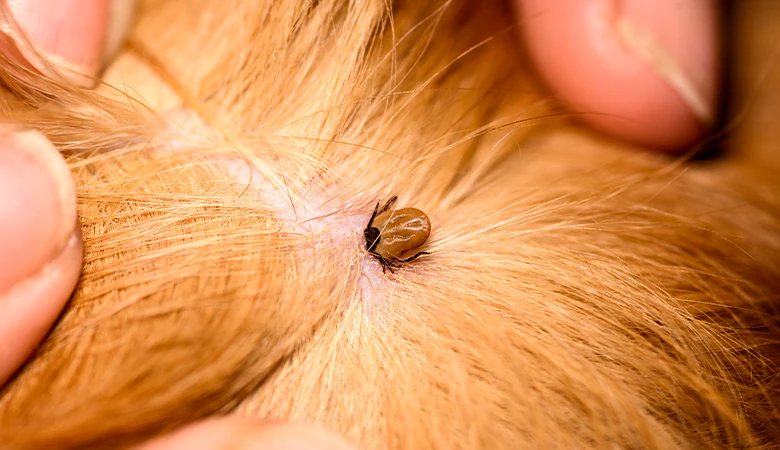
 Tick in an animal’s fur

How do you remove a tick from a cat?

When removing a tick, it is best to use a good tick removal tool or tick card. Grasp the tick as close to the skin as possible. Carefully pull or twist the tick away according to the instructions of the tool.

Important:

  • do not use alcohol, oil or soap before removal
  • do not squeeze the body of the tick
  • disinfect the skin afterwards

Always check carefully whether the entire tick has been removed. Also use our Step-by-step plan: how do you remove a tick?

Write down in your diary when you removed the tick. If your cat becomes ill, you can pass this information on to your veterinarian.

Products to help remove a tick from your cat

Where are ticks commonly found on cats?

On cats, ticks are often found in places where the skin is thin, such as:

  • around the ears
  • on the head
  • on the neck
  • under the chin

Therefore, check your cat regularly, especially after your cat has been outside.

Your cat will not let you remove the tick: what can you do?

Some cats find tick removal very stressful. Especially when the tick is located in a sensitive area, such as around the ear or near the muzzle, a cat may start resisting.

In that case, try to:

  • gently wrap your cat in a towel
  • ask someone else to help
  • distract your cat with a treat
  • work calmly and quickly

Do not force the removal if your cat becomes very panicky. This may damage the skin or tear the tick apart. Really unable to do it? Then contact your veterinarian. Especially in hard-to-reach places, with very small ticks or with aggressive or anxious cats, professional help may be safer.

What should I do if the tick’s head remains behind?

After removal, a small black dot may sometimes remain. Many people think that the “head” of the tick has been left behind. Usually, these are small mouthparts of the tick. This is unpleasant, but often not dangerous. Your cat’s body will usually work these out naturally, similar to a splinter.

What you should do:

  • keep the area clean
  • carefully disinfect the skin if necessary
  • leave the spot alone

What you should definitely not do: try to dig the head out with tweezers or scratch it out with your nail.

Visit your veterinarian if:

  • the skin becomes red or swollen
  • pus develops
  • your cat scratches or licks the area excessively
  • the area appears painful

How quickly should you remove a tick from a cat?

The sooner you remove a tick, the better. Ticks can transmit pathogens once they have been attached for a longer period of time. Therefore, check your cat regularly, especially during tick season.

How can you prevent ticks in cats?

Prevention is, of course, better than removal. There are various products that can protect cats against ticks. View our range of flea and tick products for cats.

Commonly used products for cats include:

  • Frontline (spot-on)
  • Seresto (collar)
  • Adtab (tablet)

Please note: never use a dog product on cats. Most tick products for dogs are toxic to cats!

Do you still have questions about removing a tick from cats? Please contact us via veterinarian@vetsend.co.uk.

Subscribe to our newsletter

Read our other blogs too

More tips
image (20)

About the author

Mara van Brussel-Broere, Veterinarian at Vetsend

Graduated as a companion animal veterinarian from Utrecht University, she uses her practical experience to advise customers and share knowledge at Vetsend. She finds it important to provide pet owners with clear information about health and wellbeing.

Read more about Mara