Service
Basket
Menu
Get 5% off pet beds and cushions with code AUTUMN! Read more

Tabletop grilling and the danger to birds

Written by Mara |

People love it! Especially during the festive season, the tabletop grill or griddle regularly appears on the table. It is always an enjoyable activity to share. If you have a bird, make sure you move it to another room for a while! Tabletop grilling in the same room as your bird is dangerous. Want to know why? Read on to find out.
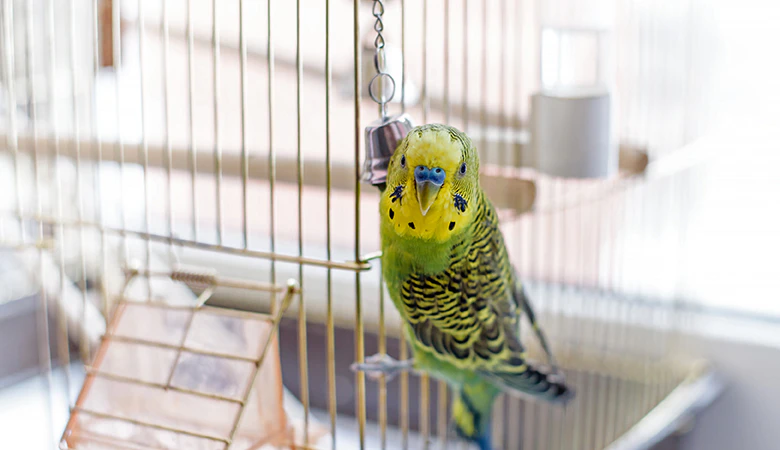
Bird in a cage

Why is tabletop grilling dangerous for your bird?

Tabletop grilling may be enjoyable for us, but it can be fatal for your bird. The non-stick coating on appliances such as tabletop grills and griddles contains polytetrafluoroethylene (PTFE), better known by the brand name Teflon®. When heated to high temperatures, often when pans are empty or their contents are allowed to dry out, this substance releases fumes that can be toxic even in small quantities. Birds are particularly sensitive to these fumes because the anatomy of their respiratory system differs from that of mammals like us.

Related products

How do birds’ lungs work?

Birds have a highly efficient respiratory system, which makes them particularly sensitive to toxic fumes. Their respiratory system consists of lungs and air sacs. The air sacs fill with air during inhalation, creating an air reservoir from which oxygen-rich air flows through the lungs again during exhalation. This creates a continuous flow of oxygen-rich air through the lungs. As well as enabling efficient oxygen exchange, this also means that harmful gases and small particles from the environment are absorbed more easily. The smaller the bird, the greater its sensitivity to exposure to toxic fumes in the air often is.

What happens if your bird inhales these substances?

The breakdown of PTFE releases both gases and small particles. When these substances are inhaled, they trigger an inflammatory response in the lungs. The inflammatory cells activated in this process cause reactive oxygen radicals to be released. This can cause oxidative damage to the lungs, resulting in fluid and bleeding in the lungs. Certain toxic components can also travel deeper into the lungs through the small particles that are released and inhaled. There, these substances cause further damage to the lung tissue. It is even thought that damage may also occur in the brain. The symptoms your bird may show are often non-specific, with sudden death sometimes being the only sign. With mild exposure, the first symptoms may include frequent blinking due to direct irritation from the gases, as well as panting or drowsiness caused by a lack of oxygen.

What can you do if your bird has inhaled these gases?

If your bird becomes short of breath, prevent any further exposure to the toxic gases. Then contact your vet immediately, as your bird must receive additional oxygen as soon as possible and be treated for the shock that often occurs. Unfortunately, the prognosis is poor and death often occurs within 12 hours of exposure. All the more reason to try to prevent it!

Tabletop grilling is not the only danger!

Tabletop grills and griddles are not the only dangerous items in this situation. Many frying pans with a non-stick coating contain PTFE and can therefore release toxic fumes when heated. It is therefore preferable not to keep birds in the room where cooking takes place.

Prevention is better than cure!

Make sure you move your bird to another room when the family gathers for tabletop grilling! Provide plenty of ventilation and only return your bird to the room once all the fumes have cleared. You can also read our article Tips for Christmas. In addition, browse our range for birds for everything you need to care for and house your bird. Do you have any questions about this subject? Contact our veterinary team at veterinarian@vetsend.co.uk.

Sign up for our newsletter

Read our other blogs

More tips
image (20)

About the author

Mara van Brussel-Broere, Veterinarian at Vetsend

Graduated as a companion animal veterinarian from Utrecht University, she uses her practical experience to advise customers and share knowledge at Vetsend. She finds it important to provide pet owners with clear information about health and wellbeing.

Read more about Mara