Forage for Horses
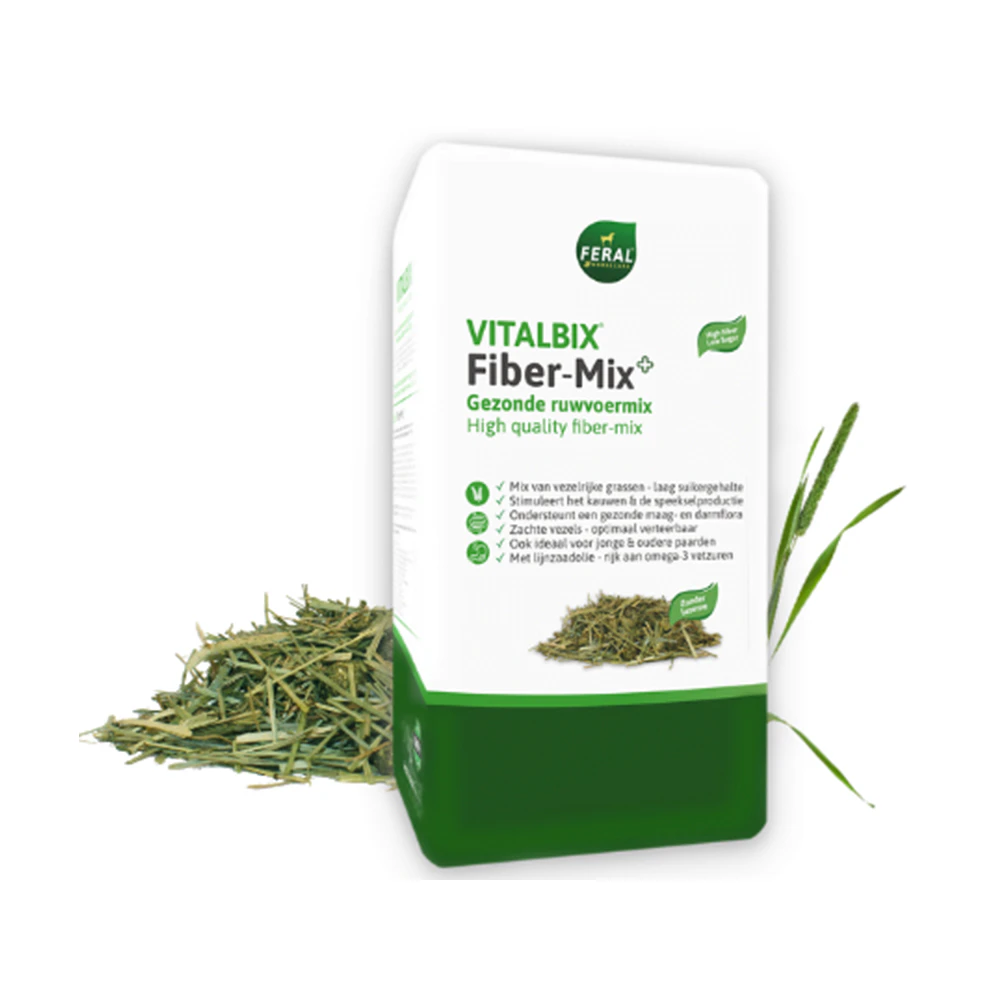
Forage forms the foundation of every horse’s diet. Forage includes hay, haylage, grass, hay cobs and other fibre-rich products. These fibres support healthy digestion and align with the horse’s natural eating behaviour, as horses naturally consume small amounts of forage almost continuously throughout the day. In some situations, however, it may not be possible for a horse to consume sufficient forage from hay or grass. Examples include older horses with dental problems, horses recovering from illness, or horses with increased nutritional requirements. In these cases, forage replacers and supplementary fibre products can help meet the horse’s daily fibre requirements.
Also read our blog about the right nutrition for your horse.
How Much Forage Does a Horse Need?
The amount of forage a horse requires depends on factors such as body weight, age, workload and overall health. As a general guideline, a horse needs approximately 1.5 to 2% of its body weight in forage each day on a dry matter basis. For a 500 kg horse, this equates to around 7.5 to 10 kg of dry matter per day. As hay contains moisture, the actual amount of hay fed is often higher.
It is also important that a horse spends as little time as possible without forage. Ideally, a horse should have access to forage almost continuously, but this is not always feasible. Therefore, it is advisable not to leave a horse without forage for longer than 4 to 6 hours. This supports natural feeding behaviour, keeps the digestive system active and helps reduce the risk of gastric ulcers.
Soaked Forage Replacers
Soaked fibre products, such as beet pulp and hay cobs, can be a valuable addition to the daily diet. They are often used for horses that have difficulty chewing, eat less well or require additional fibre. As these products contain a large amount of moisture after soaking, they also contribute to increased water intake. Some products can partially serve as a forage replacer when a horse is unable to consume sufficient hay.
Fibre-Rich Products for Senior Horses
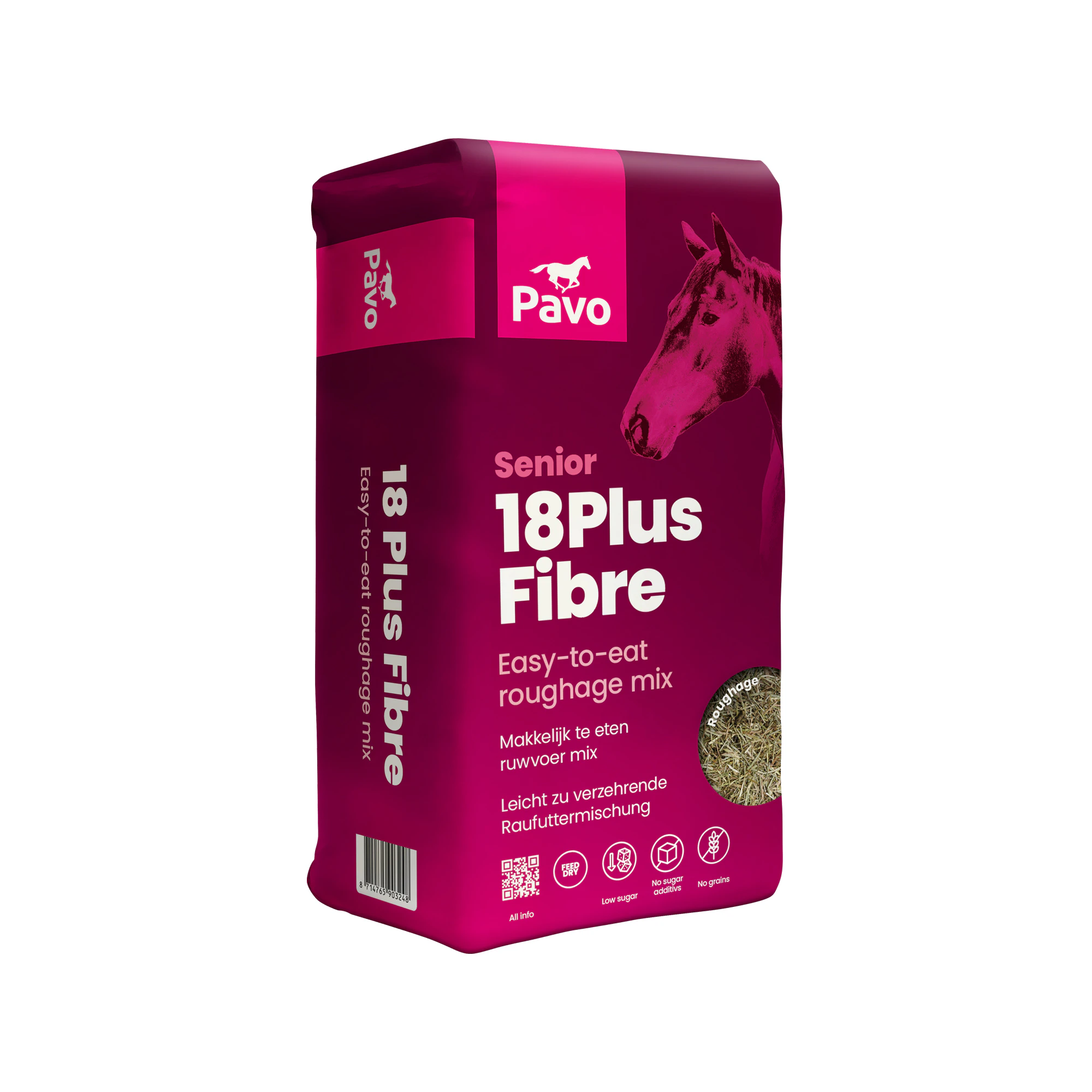
Older horses may develop difficulty chewing hay due to wear of the teeth. Fibre-rich products such as Pavo Senior Fibre or Pavo Speedibeet make it easier to ensure sufficient forage intake. These products can supplement daily fibre intake when eating regular hay becomes more difficult.
Hay Cobs
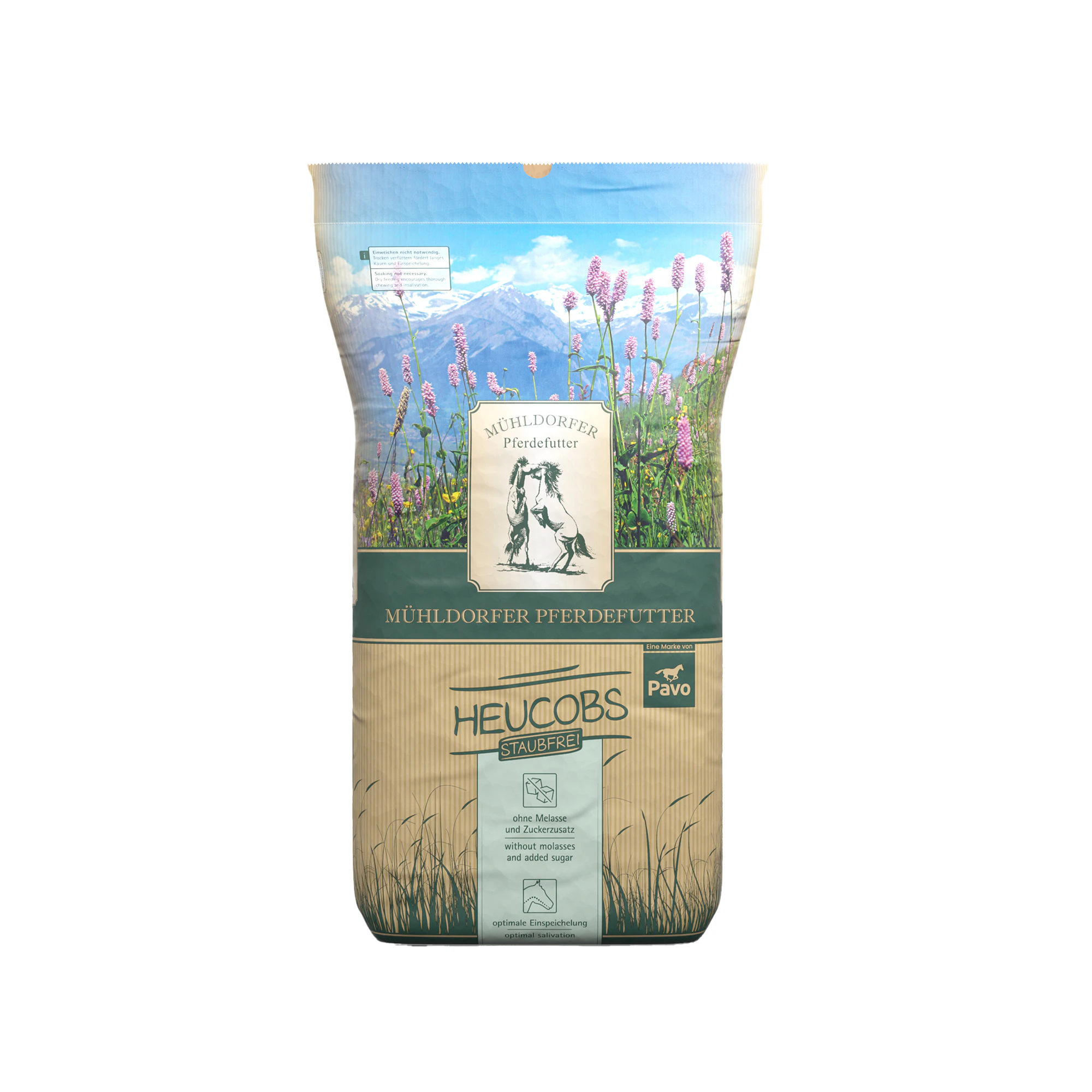
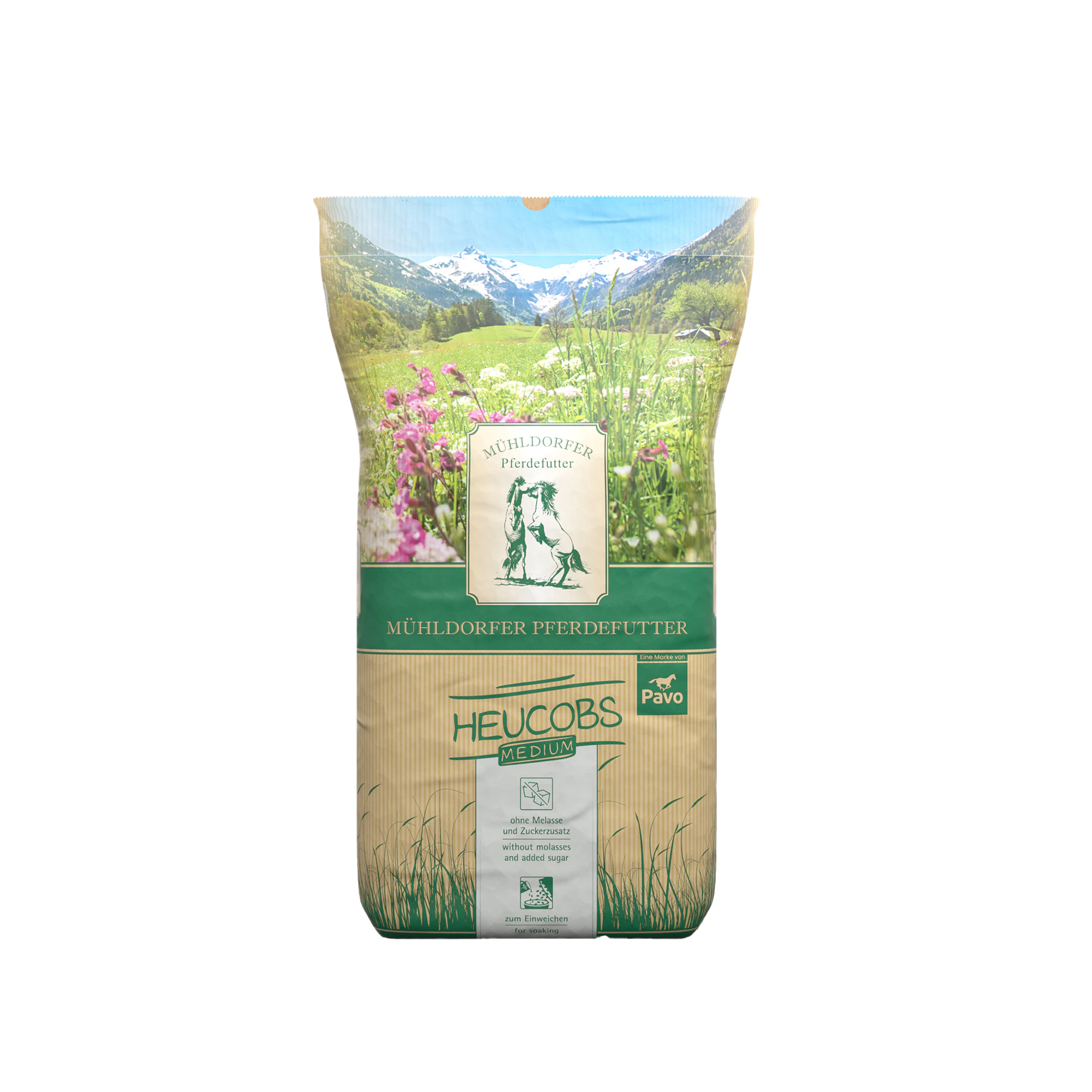
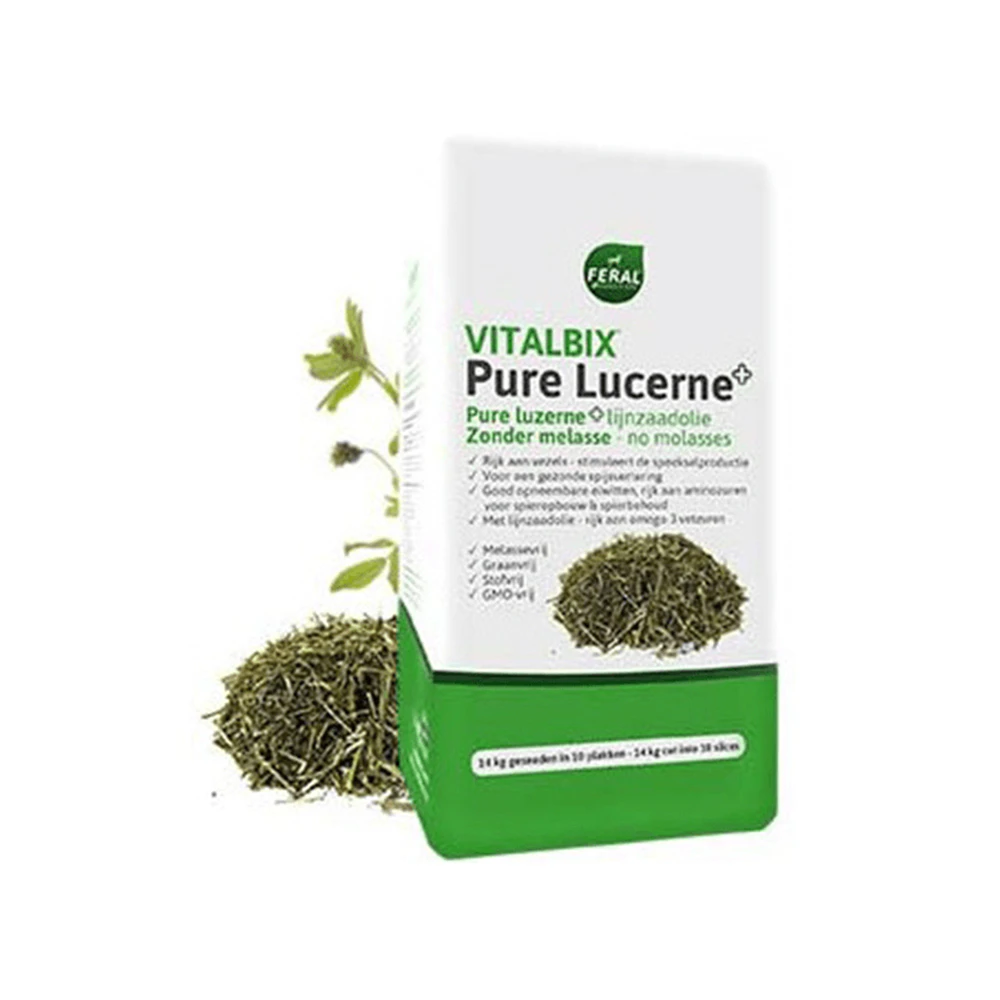
Hay cobs are a practical way to add extra fibre to the diet. They consist of a blend of meadow grasses and herbs and help support saliva production while eating. This makes them well suited to the horse’s natural need for prolonged chewing. The dust-free hay cobs can be fed either dry or soaked and are also suitable as a healthy reward. Medium hay cobs should always be soaked before feeding them to your horse. Thanks to their low-dust composition, hay cobs are also highly suitable for horses with dust sensitivities or respiratory sensitivities. In addition, they can be a valuable supplement for older horses or horses that struggle to consume sufficient forage.