Service
Basket
Menu
Pre Black Friday is here! Enjoy up to 30% off! Read more

Aquatic Turtle

The aquatic turtle is a reptile belonging to the turtle order (Testudines). Aquatic turtles do not form a separate family but include various species that live mainly in and around water. Depending on the species, aquatic turtles are found in a range of habitats, including rivers, lakes, ponds and swamps. Many aquatic turtles live in fresh water and need both water and dry areas where they can rest and warm up. Many aquatic turtles are active during the day and spend much of their time swimming, searching for food and basking. As cold-blooded animals, they depend on the temperature of their environment to regulate their body temperature. Behaviour can vary between species and individuals. Some aquatic turtles are active and curious, while other species are more likely to retreat or hide. In captivity, it is important to replicate the aquatic turtle’s natural habitat as closely as possible, with sufficient swimming space, clean water, a suitable water temperature, a dry basking area and appropriate UVB lighting. This meets its basic needs and supports your animal’s condition and well-being.

Aquatic Turtle

Characteristics

Country of origin: North and South America, Europe, Asia, Africa and Australia
Also known as: Pond Turtle, Terrapin
Body build: A streamlined body with a relatively flat shell that makes swimming easier. The feet generally have webbing and sharp claws.
Weight: 200 - 2,000 g
Life Expectancy: 20 - 50 years
Health risks: Shell infections, calcium and vitamin deficiencies, metabolic bone disease (MBD), respiratory infections and health problems caused by poor water quality or an unsuitable diet.
Food type: Omnivore or carnivore, depending on the species. Aquatic turtles eat water plants, insects, worms, molluscs and small fish, among other things.
Activity period: Mainly active during the day, although some species are also active at dusk or at night. Many species bask regularly to warm up.
Color: Varies by species and is often green, olive-brown, dark brown or black, with stripes, spots or patterns on the shell and skin. The skin is covered with scales.

Profile

Activity
Tameness
Ease of care
Space requirements
Environmental sensitivity
Nutritional needs

Popular products for the Aquatic Turtle

Origin

Aquatic turtles occur naturally in North and South America, Europe, Asia, Africa and Australia. Depending on the species, they live in rivers, lakes, ponds, swamps and other wetland areas. Many aquatic turtles live mainly in fresh water and use sunny places, such as banks, rocks and tree trunks protruding from the water, to regulate their body temperature. When faced with danger or unfavourable temperatures, they seek shelter underwater, among water plants or in the mud. Because they are distributed across different habitats, aquatic turtles have adapted to a variety of climatic conditions.

Appearance and behaviour

The appearance of aquatic turtles varies by species, but many species have a streamlined body with a relatively flat shell that makes swimming easier. Their feet often have webbing and sharp claws, allowing them to move both in the water and on land. The colour of the shell ranges from green and olive-brown to dark brown and black, often with stripes or spots. Many aquatic turtles are active during the day and spend much of their time swimming, searching for food and basking to regulate their body temperature. When disturbed, they often retreat into the water. Aquatic turtles regularly shed their skin, with the outer layer gradually coming loose. In many species, the scutes of the shell are also renewed regularly, with the old scutes coming loose and making way for a new layer.

Everything about the Aquatic Turtle

Which species of aquatic turtle are there?

There are clear differences in size, habitat and appearance within the group of aquatic turtles. Below are several well-known species that are kept as pets or were kept as pets in the past:

  • Yellow-eared slider
  • Yellow-bellied slider
  • Red-eared slider
  • Musk turtle
  • Chinese three-keeled pond turtle

Which vegetables can an aquatic turtle eat?

Aquatic turtles that eat plant-based food can be given endive, romaine lettuce, courgette, pumpkin and limited amounts of carrot, among other things. Suitable water plants can also form part of the diet. Wash the vegetables thoroughly and offer them raw in small, bite-sized pieces. Avoid onion, garlic and rhubarb. The amount of plant-based food depends on the aquatic turtle’s species and age, as not all species have the same nutritional requirements.

How long can an aquatic turtle survive without water?

How long an aquatic turtle can survive without water varies according to the species, age and ambient temperature. Many aquatic turtles can spend several hours on dry land, for example to bask or rest. Some species can remain out of the water for longer, but prolonged dryness can lead to dehydration and health problems. Aquatic turtles must therefore always have access to a suitable water area. Make sure the aquatic turtle can choose when to leave or re-enter the water.

What is Metabolic Bone Disease (MBD)?

Metabolic Bone Disease (MBD) is a common condition in reptiles such as the aquatic turtle. It is caused by a calcium or vitamin D3 deficiency or insufficient UVB light. These three factors are interconnected: without sufficient UVB light, the body cannot produce vitamin D3, and without vitamin D3, calcium cannot be absorbed properly.

A calcium deficiency weakens the skeleton and affects the bone structure. The first signs of MBD are often subtle:

  • A soft lower jaw
  • Trembling legs
  • Reduced appetite
  • Sluggish behaviour
  • At a later stage, skeletal deformities, crooked legs or spine, and even fractures may occur.

MBD can be prevented by regularly replacing the UVB lighting, usually every 6 to 12 months, providing sufficient calcium and vitamin supplements and maintaining the correct temperature and nutritional balance. A properly set-up terrarium and a balanced diet are therefore essential for preventing this condition.

What does an aquatic turtle eat?

What an aquatic turtle eats varies by species. Many species are omnivores and feed on water plants, insects, worms, molluscs and small fish in the wild. Some species mainly eat animal-based food, while others eat more plant-based food. Age can also affect their nutritional requirements.

In captivity, their diet consists of a varied selection of specialist turtle food, such as food sticks and pellets, supplemented with dried shrimp, amphipods, grasshoppers, anchovies and suitable plant-based food, for example. It is important to provide sufficient variety and a good calcium-to-phosphorus ratio to prevent deficiencies and bone problems (MBD). A calcium and vitamin supplement can be added if necessary. Fresh drinking water must always be available.

What must an aquatic turtle not eat?

Aquatic turtles must not eat processed foods intended for people, such as bread, processed meats and seasoned or salted food. Raw mammalian meat and dairy products are also unsuitable. In addition, avoid wild insects and fish caught in the wild, as they may contain parasites or harmful substances. Do not give too many dried shrimp or other protein-rich snacks either, as an unbalanced diet can lead to nutritional deficiencies. Always provide a varied diet suited to the aquatic turtle’s species and age.

Can you keep an aquatic turtle as a pet?

In the United Kingdom, various species of aquatic turtles can be kept as pets, but legal restrictions apply to certain species. Red-eared sliders, yellow-bellied sliders and Cumberland sliders are classified as invasive non-native species and are subject to restrictions on breeding, selling and keeping. aquatic turtles that were already kept as pets before the restrictions came into force may remain with their owners under certain conditions. As regulations can differ across the United Kingdom, always check the applicable rules before purchasing an aquatic turtle.

Care and housing of the Aquatic Turtle

Caring for an aquatic turtle requires a spacious and properly equipped enclosure suited to the species’ natural habitat. Many aquatic turtles live mainly in the water and need sufficient swimming space, hiding places and a dry area for basking. A suitable aquaterrarium must be large enough for the turtle to swim freely and for different temperature zones to be created. Sufficient water depth and a powerful water filter are important for providing a suitable habitat. You should also provide an easily accessible basking area where the aquatic turtle can climb completely out of the water to warm up and dry off.

Temperature and lighting

Aquatic turtles are cold-blooded and depend on their environment to regulate their body temperature. Both the water temperature and the temperature of the dry basking area must be adapted to the species. A suitable aquarium heater helps keep the water at the correct temperature, while a heat lamp provides a warm basking area. For many species, lighting is used for approximately 10 to 12 hours a day to support a natural day and night rhythm. UVB lighting is important for the production of vitamin D3, which is needed for proper calcium absorption and the healthy development of the shell and bones. Check the temperatures regularly with suitable thermometers and, where necessary, use a thermostat to regulate heat sources safely.

Furnishings

The aquaterrarium should be furnished to suit a water-rich habitat, with sufficient space for swimming and resting. A spacious water area, a stable and easily accessible basking area and suitable hiding places are important. Depending on the species, water plants, rocks and pieces of wood can be added to create a natural environment. Choose safe materials without sharp edges that are easy to clean. You should also provide a powerful filtration system to keep the water clean and support its quality.

Care

Aquatic turtles regularly shed their skin. Good water quality and a suitable basking area support this natural process. Removing food remains and faeces daily, checking the water quality and changing the water regularly are important for good hygiene. The filtration system must also be maintained regularly. By monitoring your aquatic turtle’s behaviour, appetite, shell and body condition, you can identify changes promptly and support its health.

Reptiles and the vet

Reptiles and the vet: where can you go with your snake, turtle or lizard?

Reptiles and amphibians are unique pets that need completely different care from dogs or cats. They have specific requirements for their environment, diet and health, and the same applies when medical care is needed. But what should you do if your bearded dragon suddenly stops eating, or if your turtle has a small wound? Can you simply go to the vet? In this blog, you’ll read why it is important to find a vet with knowledge of reptiles and amphibians, and how insurance works for these exotic pets.
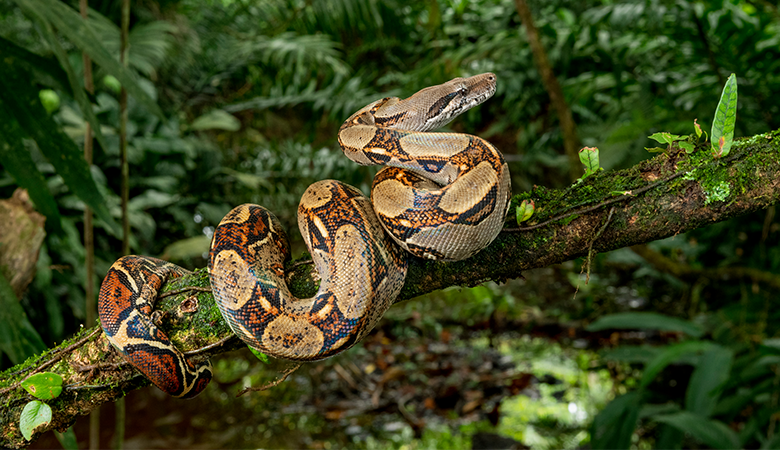
Snake sitting on a branch

How to set up a terrarium for reptiles? A complete guide

A well-designed terrarium is the foundation for a healthy and active reptile. Reptiles are completely dependent on their environment: temperature, humidity, lighting, diet and layout must closely match their natural habitat. In this blog, we guide you step by step through setting up a terrarium, from the initial choices to the finer details of plants, lighting and climate.

reptiles

Top 10 most common pet reptiles

Reptiles have become increasingly popular as pets in recent years. They are fascinating, often relatively calm, and require very different care compared to dogs or cats. Whether you are just starting out or already have experience, there are reptiles that are suitable for both beginners and more advanced keepers. In this blog, we list the top 10 most commonly kept reptiles as pets, with a short explanation for each species.

More tips