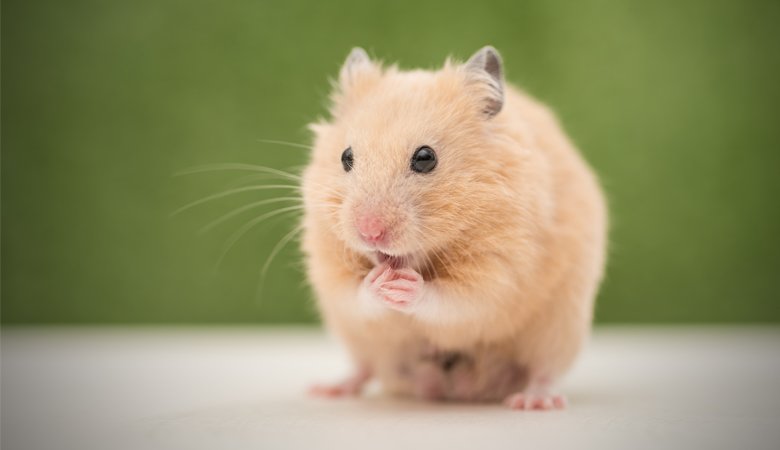
Which rodent is right for me?
Before buying a rodent, it is important to consider whether and which rodent suits you.
The degu is a social rodent originally from Chile. In the wild, degus live in groups in dry areas, where they work together to create tunnels and burrows for safe shelter. Degus are active, intelligent and curious animals that enjoy climbing, digging, gnawing and exploring their surroundings. Unlike many other small rodents, degus are mainly active during the day. Because they are true social animals, they feel happiest when living with other degus. Thanks to their lively behaviour and social nature, degus are popular pets, although they do require good preparation and appropriate care.

The degu naturally occurs in Chile. There, the animals live in dry and semi-dry regions and in higher areas at the foot of the Andes. In the wild, degus live in groups and build extensive burrow and tunnel systems together. These offer protection from predators and heat. Degus spend a lot of time searching for plant-based food and are active during the day, especially in the morning and later in the day. Their social behaviour and active lifestyle are also reflected in the degu as a pet.
Degus are known as social, active and curious animals. They enjoy living together with other degus and have a strong need for contact, activity and variety. They also enjoy climbing, digging and gnawing. Although degus are often friendly, they remain prey animals. As a result, they can become startled by unexpected movements, loud noises or too much commotion. A calm approach and a predictable environment help to build trust. Many degus like to make contact themselves, but generally do not enjoy being picked up.
The degu is a social rodent from Chile. They are intelligent, active and curious animals that enjoy climbing, digging and gnawing. Unlike many other small rodents, degus are mainly active during the day. Because they are true social animals, they feel happiest when living with other degus.
No, degus are social animals and it is therefore not recommended to keep them alone. It is advisable to keep at least two degus together, preferably a stable pair or small group.
Yes, degus need a sand bath to care for their coat. They use bathing sand to keep their coat clean and in good condition. A sand bath is an important part of the enclosure.
A degu lives on average between 6 and 8 years. With proper care, suitable nutrition and an appropriate enclosure, a degu may sometimes live longer.
Degus mainly eat hay. Hay should always be available without limitation and is important for digestion and wearing down the teeth. In addition, the basic diet consists of special degu pellets. You can also give small amounts of vegetables and herbs. Always provide fresh drinking water. Sugary foods, such as fruit and sweet snacks, are not suitable for degus.
Degus need a spacious and tall enclosure where they can run, climb and explore. A larger enclosure is always better, especially for multiple degus. Sufficient space helps prevent stress and encourages natural behaviour.
With plenty of patience and a calm approach, degus can become tame. By moving calmly and regularly spending time near the enclosure, they can become accustomed to people. It is important not to force anything, as this can cause stress.
A sick degu is often less active, eats less or withdraws more. Weight loss, dental problems or unusual drinking behaviour can also be signs that something is wrong. If in doubt, always consult a veterinarian.
Degus need a spacious, safe and sturdy indoor enclosure. The enclosure should be placed in a quiet location, away from draughts, direct sunlight and not too close to a heat source. Degus do not tolerate heat well and need a cool, stable environment. A metal cage with multiple levels is suitable, provided the base is solid and there is enough room for digging, climbing and running. Multiple hiding places are also important so the animals can retreat safely.
Good bedding, hay, tunnels, houses and safe gnawing materials are essential. In addition, it is important to scatter food around the enclosure so that degus can display natural foraging behaviour. A sand bath and a large, solid exercise wheel help keep degus active and occupied.
Proper daily care helps keep your degu healthy and comfortable. Because degus move around a lot, gnaw and live together with other degus, it is important to maintain their living environment well and observe their behaviour daily.
Good degu care includes:
By paying daily attention to these points, the living environment remains clean, the degu receives the correct nutrition and changes in behaviour or health can quickly be noticed.

Add products to view your basket
We use cookies to help us serve you better and more personally. Functional cookies ensure that the website works properly and have an analytical function. We also use technology to track your behaviour anonymously, both inside and outside our website. Personal data and cookies may be used for personalisation or advertising. Want to know more? Read our privacy policy and cookie statement here. If you choose to reject, we will only place functional and analytical cookies.